

Furniture Mold Prevention: How to Stop Swelling, Peeling Edges, and Moisture Damage in Furniture
Simple, practical strategies for protecting furniture during rainy seasons, humid weather, and everyday moisture exposure.
If you have lived through a rainy season in Nigeria, you already know how quietly moisture can cause trouble. A wardrobe door starts sticking. A cabinet edge begins to lift. A room develops that damp smell nobody enjoys. Sometimes the damage appears in Lagos humidity.
Sometimes it shows up after a leak. Sometimes it follows weeks of poor ventilation and power outages. By the time most people notice, the furniture is already reacting to moisture rather than simply sitting in the room. The good news is that most of it can be prevented.
Furniture does not just sit in a home. It lives in the same environment as everything else. Wood and wood-based boards absorb and release moisture from the air, so when indoor humidity rises, moisture content rises too, and the material swells.
When the air dries out, the material shrinks again. Over time, that cycle can loosen joints, open cracks, warp panels, and weaken finishes. In Nigeria, where southern cities can stay humid year-round and the harmattan can swing the other way, furniture gets tested from both sides.
What Causes Moisture Damage in Furniture?
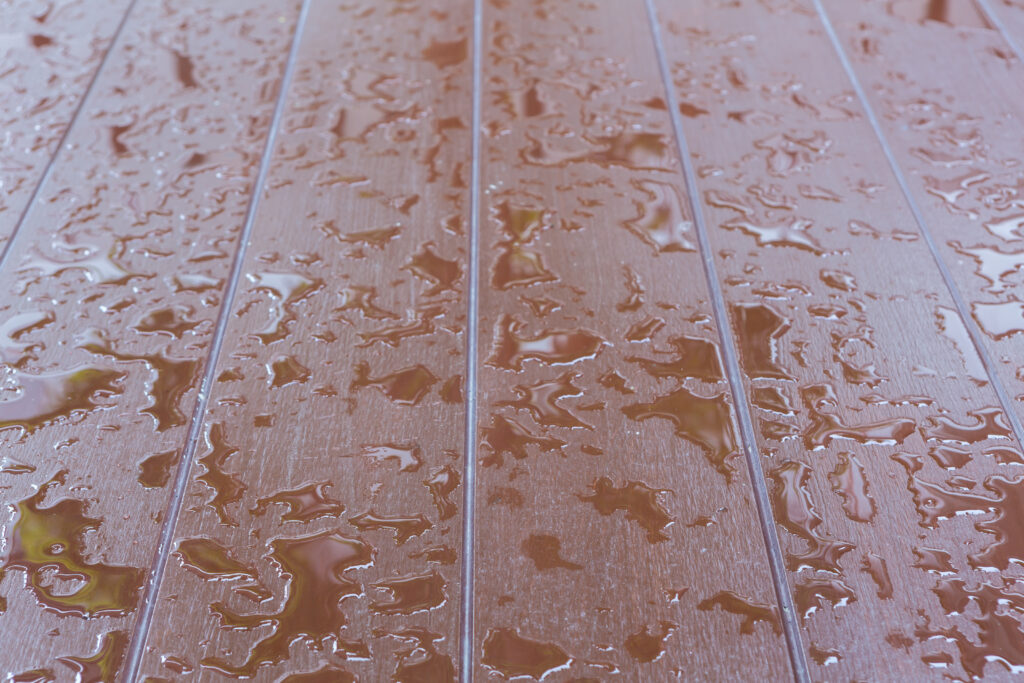
The short answer is excess moisture. The longer answer is that furniture damage usually begins when wood, laminate, veneer, or engineered boards hold onto water for too long. High humidity causes panels to expand, warp, and cup. If moisture gets into glued joints or under laminate, the bond weakens. That is when veneers and laminates can pop or delaminate, and edges begin to peel. Once the protective coating is breached, the core is much more vulnerable.
Moisture damage also shows up when water comes from a leak, a spill, or a damp wall rather than just the air itself. In those cases, boards expand unevenly. Doors and drawers stop lining up. Tabletops may bow or cup. In severe cases, swelling can even pop joints apart. Repeated wetting and drying is especially hard on finishes and glue lines, and it can even attract insects that thrive in moist wood.
Why Furniture Swells During Humid Weather
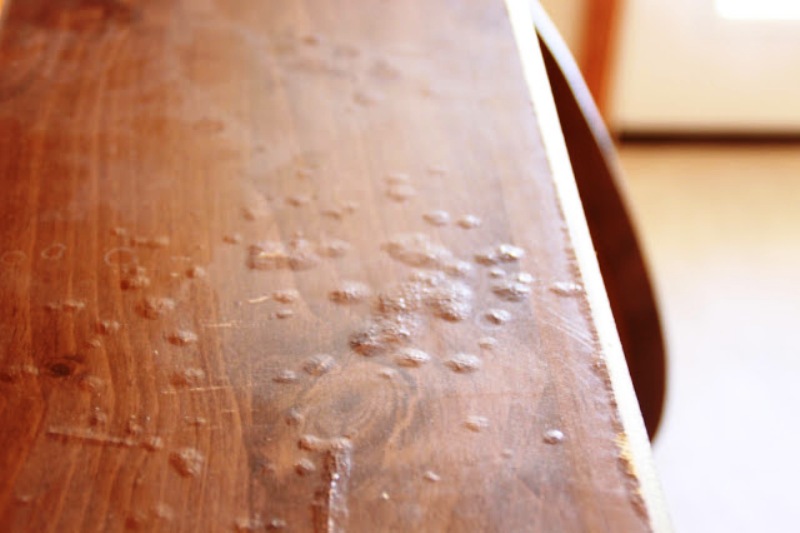
This part is simple and important. Wood is hygroscopic, which means it absorbs and releases moisture based on the surrounding air. As indoor relative humidity rises, the wood’s moisture content increases, and the fibers swell. When humidity drops, the material dries and shrinks. That movement is normal, but it becomes a problem when humidity stays high for too long or changes too suddenly.
That is why furniture can feel fine in one season and begin behaving badly in another. In southern Nigeria, humidity can remain high through much of the year. In the rainy season, the air gets heavier and rooms stay damp longer. In the dry season, harmattan can create the opposite problem, where wood shrinks and may crack if it was not properly acclimated. The furniture is not being dramatic. It is responding to the environment around it.
How Mold Develops on Furniture
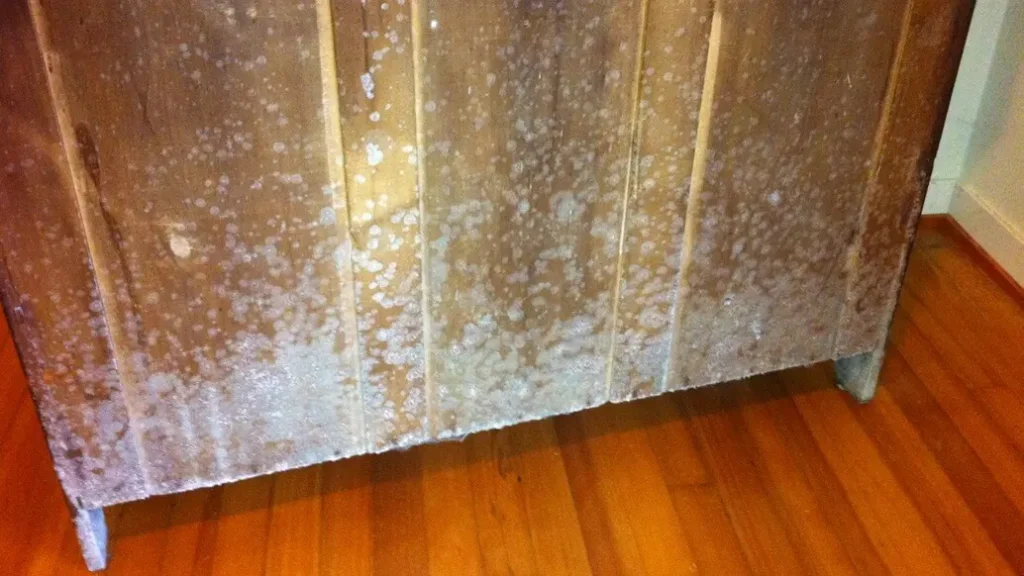
Mold is not magic, and it does not appear out of nowhere. Mold spores exist in the air already. They begin growing when they land on wet surfaces and stay there long enough to thrive. The dossier notes that mold may begin growing indoors when spores land on wet surfaces, and that mold thrives when surfaces stay wet or very humid. In tropical homes, high humidity and poor ventilation create the kind of environment mold likes most.
This is why mold often appears in hidden places first. Behind wardrobes. Under beds. Around damp walls. Inside storage cabinets. In homes where ventilation is poor, or where rain, leaks, and indoor drying create constant moisture, mold can spread before it is visible. It may show up as spots, discoloration, or a musty smell long before the full damage is obvious.
Common Signs of Moisture Damage
Swollen Panels & Warping
Look closely at your tabletops and wardrobe doors. When wood absorbs high environmental moisture, it expands, leaving your panels looking bowed, puffed, or distinctly twisted. If a wardrobe door or drawer suddenly feels sticky or hard to close smoothly, hidden swelling is usually the culprit.
Peeling Edges & Separating Joints
The earliest warning signs often happen at the seams. High humidity weakens structural glues, causing veneer layers to flake away and protective edge-banding to peel cleanly off. Pay close attention to your joints—if you notice minor separation or a tabletop that looks slightly raised at the border, moisture is actively at work.
Bubbling Laminate & Lifting Veneer
Unlike solid timber, synthetic laminates and thin veneers cannot breathe. When trapped moisture gets beneath the surface layer, it expands into ugly pockets of air and water vapor. If your smooth finishes start to blister, bubble, or lift away from the underlying board, it is time to intervene immediately.
Musty Odours & Hidden Mold
Moisture leaves invisible clues long before it shows severe physical traits. If a room or the inside of a cabinet develops a heavy, damp, or musty smell, mold spores are already thriving in the dark. Do not wait until green or black patches become visible; a persistent odour is your cue that the local humidity is dangerously high.
Furniture Materials and Moisture Resistance
- Moisture Resistance: Moderate to High
The Blueprint: Solid hardwood remains one of the strongest, most luxurious, and longest-lasting construction options available. However, because it is a natural, organic material, it continuously “breathes.” This means it will naturally expand and contract as seasonal humidity changes.
Design Note: While premium hardwoods resist deep structural rot beautifully, softwoods like Pine are much lighter and cheaper—they swell, warp, and dent far more easily, requiring heavy-cut protective sealants if placed in a humid environment.
Moisture Resistance: High
The Blueprint: Engineered by layering thin sheets of wood veneer in alternating grain directions, plywood naturally handles atmospheric moisture significantly better than MDF or particleboard. Its cross-laminated structure prevents it from warping or twisting under normal humidity strains.
Design Note: While highly resilient, standard plywood is not entirely waterproof. If it is subjected to standing water or constant leaks, the adhesive bonds can fail over time, causing the individual layers to lift and separate (delaminate).
Moisture Resistance: Low to Moderate
The Blueprint:
MDF provides an incredibly smooth, flawless surface that is perfect for premium lacquer finishes and sleek modular cabinetry. However, because it is composed of compressed wood fibers and resin, it is highly vulnerable to raw humidity.
Design Note: The factory-finished surface layer will shed water easily for a while. However, if moisture sneaks into unsealed cut edges or joint cut-outs, the inner core will drink the water up, causing the board to swell invisibly beneath the finish.
Moisture Resistance: Very Low
The Blueprint: While particleboard is a highly cost-effective and popular material for budget-friendly modular furniture, it is the most vulnerable option in high-humidity climates. Made from loose wood chips and shavings glued together, its density is low and highly porous.
Design Note: Once moisture penetrates the edge-banding of a particleboard panel, it acts like a sponge. The material quickly experiences irreversible swelling, loses its structural hold, and will eventually begin to crumble under its own weight.
Moisture Resistance: Maximum / Waterproof
The Blueprint: Specifically manufactured using premium exterior-grade waterproof glues and high-density core sheets, marine-grade boards offer absolute, uncompromising resistance to heavy moisture, steam, and direct water contact.
Design Note: This is the ultimate, gold-standard material choice for challenging, high-moisture coastal climates, as well as high-traffic residential areas like luxury bathroom vanities, under-sink kitchen plumbing zones, and outdoor spaces.
01
Keep Indoor Humidity Under Control
Relative humidity inside your home should stay below 60 percent, ideally between 30 and 50 percent to completely halt mold growth and prevent heavy wood movement. In Nigeria, achieving this comfort zone means running your air conditioning or dedicated dehumidifiers when power is available, and maximizing standing fans during off-grid periods.
02
Dry Spills & Leaks Quickly
Water spills, plumbing leaks, or damp patches under floor rugs must be dried thoroughly within 24 to 48 hours to prevent mold spores from taking root. It is a deceptively simple rule, but ignoring a minor window leak or a sweating drink on a premium tabletop will quickly lead to deep structural wood rot.
03
Improve Air Ventilation
Proper airflow is essential to dilute and remove heavy indoor moisture. Keep your windows or louvers open when weather permits, and run exhaust fans in your kitchen and bathroom spaces. Crucially, avoid pressing your wardrobes and heavy furniture flat against the wall, leave a few inches of space to prevent trapped damp air pockets.
04
Use Moisture Absorbers Where Needed
For tightly enclosed spaces like wardrobes, kitchen under-sink cabinets, and dresser drawers, employ compact moisture traps. Placing silica gel packets, calcium chloride crystals, charcoal briquettes, or even baking soda in these dark zones will steadily pull dampness out of the air before your clothes and wood cores absorb it.
05
Protect Surfaces With the Right Finish
A high-quality finish is your furniture’s primary defense line. Ensure your pieces are treated with water-resistant sealants like polyurethane, lacquer, or premium teak oil. Pay close attention to raw plywood or MDF edges—if these hidden borders are not completely sealed with edge-banding, they will act like a sponge the moment humidity rises.
06
Inspect Furniture Regularly
Conduct a thorough walkthrough of your home’s furniture during the heavy rainy seasons. Test for sticky drawers, sagging panels, musty odors, or small white mold spots. If you catch a damp patch early, you can clean it and address the room’s humidity source before irreversible structural warping occurs.
Best Furniture Placement Tips
Furniture placement affects moisture damage more than many people realize. Avoid placing wood furniture directly against exterior walls, under dripping AC vents, or in places where condensation collects. In very humid weather, leaving wardrobe doors slightly open can help air move through the furniture. The dossier also warns against stacking cardboard or newspapers near furniture because they can attract moisture and mold.
If possible, keep a small gap between furniture and the wall so air can circulate behind it. That tiny gap can make a difference, especially in rooms where ventilation is already weak. In apartments and high-density buildings, the dossier recommends maintaining a clear path for airflow and using portable fans where needed.
Seasonal Furniture Care Tips
This is when moisture problems are most likely to show up. Use fans more often. Watch for leaks. Wipe down surfaces quickly. Check closets, under beds, and behind large cabinets. If a room feels damp to you, it is probably damp enough to matter for the furniture too.
Dry conditions can also create problems. The dossier notes that very dry weather can make wood shrink, crack, or split if it is not acclimated. That means furniture needs stability across seasons, not just protection from wet weather. A room that becomes extremely dry can stress wood in a different way.
In Nigeria, power outages make humidity control more difficult. The dossier suggests using ceiling fans, exhaust fans, portable coolers, battery-operated hygrometers, and other non-electric habits to help manage indoor moisture. When power returns, dry the room out properly. When rain is heavy, do not force in outside air that is more humid than the room.
Special Tips for Nigerian Homes
Nigeria’s climatic variations make proactive furniture protection absolutely vital. While coastal regions battle relentless year-round humidity, inland cities face drastic seasonal swings between tropical rainy seasons and bone-dry Harmattan winds. Paired with structural insulation challenges and sudden power grid disruptions, managing indoor moisture requires strategic, localized action.
01 / LAGOS (Coastal Region)
The Environment: Relentless coastal air saturation with relative humidity hanging constantly between 70% and 80%
The Strategy: Build all furniture frameworks with water-resistant marine-grade boards or heavily treated hardwoods. Apply an annual protective top-coat of marine varnish or premium tung oil to completely lock out atmospheric dampness..


02 / PORT HARCOURT (Maritime Region)
The Environment: Constant maritime moisture combined with high-volume, extended rainy seasons that trigger rapid mold growth.
The Strategy: Never leave the backing boards of wardrobes or kitchen cabinets raw and unsealed. Treat all joints with anti-fungal wood sealants, and always maintain an unyielding 2-inch air gap between your furniture pieces and the walls.
03 / ABUJA (Inland Transition Zone)
The Environment: The Environment: High dual-season volatility, swinging violently from high humidity in the rainy months to a sharp dry drop during Harmattan.
The Strategy: Utilize a highly stable mix of engineered materials like premium plywood alongside seasoned solid timbers. This hybrid composition allows your furniture panels to flex naturally without cracking across harsh seasonal shifts.

04 / KADUNA (Northern Arid Zone)
The Environment: Intense northern dryness during Harmattan that aggressively saps core moisture from solid timber, causing wood grains to shrink or split.
The Strategy: Treat your wooden pieces thoroughly with deeply nourishing wood oils and protective paste waxes before the dry season hits. Keep luxury furniture entirely clear of hot, dry draft corridors to protect structural seams.
When Furniture Damage Needs Professional Help
Some moisture problems are simply too far along for a standard DIY fix. If you notice that your furniture panels feel soft to the touch, structural joinery lines are separating, or a cabinet begins to wobble under normal weight, the damage has penetrated far deeper than the surface.
Repeated cycles of absorption and drying degrade premium factory finishes, break structural glue lines, and permanently weaken timber fibers.
When this happens, it is vital to partner with a furniture maker or restorer who deeply understands local environmental conditions. Consulting a premium wood craftsman ensures your pieces are retrofitted using advanced moisture-resistant techniques—from pre-finishing unexposed wood panels and applying high-grade industrial adhesives to engineering tailored, climate-resilient solutions that stand up to Nigeria’s coastal and inland climates.
Final Thoughts
Furniture mold prevention is really moisture management. Keep the air moving. Keep humidity under control. Dry spills fast. Choose better materials. Place furniture wisely. Inspect often. Those small habits do a lot of work over time, especially in Nigerian homes where humidity, power cuts, rainy seasons, and poor ventilation can all show up at once.
The science in the dossier is consistent on one point: mold grows when surfaces stay wet, wood swells when it absorbs too much moisture, and indoor humidity above the recommended range creates more problems than people expect. The practical side is just as clear. Good finishing, regular inspection, and climate-aware furniture choices are the difference between furniture that lasts and furniture that keeps asking for repairs.
At Joanswood Creation, that is the kind of care we believe in. Furniture should look good, hold up well, and make sense in the real world, not just in a showroom.
Frequently Asked Questions
Keep your indoor relative humidity levels consistently low, maximize air ventilation using fans, and dry out accidental spills immediately. Make it a habit to check hidden, stagnant areas, like behind large wardrobes and under bed frames where damp air pockets build up undetected.
Raw timber and engineered wood-based boards are highly porous. During the intense Nigerian rainy season, they drink up the heavy moisture from the humid air, causing the wood fibers to expand. This structural swelling leads to bowed panels, puffed edges, and misaligned cabinet doors or drawers.
It depends entirely on the timing. Minor, surface-level dampness can often be resolved if the moisture source is completely eliminated and the room is dried out early. However, severe structural swelling, deep warping, veneer delamination (layer splitting), and compromised glue joints quickly become permanent and require professional restoration.
Standard MDF (Medium-Density Fibreboard) performs exceptionally poorly in humid conditions. Because it is made of highly compressed fine wood fibers, it acts like a sponge when exposed to atmospheric dampness. It is best reserved for strictly air-conditioned spaces and must be kept entirely dry, clear of condensation, and away from spills.
High-density plywood performs significantly better than particleboard and standard MDF. While seasoned premium solid hardwood provides immense strength and long-lived durability when maintained, true Marine-grade boards stand as the ultimate waterproof solution for high-moisture spaces like kitchens, bathrooms, or coastal properties.
No, never press your furniture completely flat against a wall. Always leave a clean 2-inch gap between your walls and heavy pieces like wardrobes or dressers. This small gap allows air to circulate freely behind the furniture, preventing damp, stagnant air from trapping moisture and breeding mold against your finishes.
To ensure structural comfort, minimize mold risk, and reduce dramatic wood movement, indoor relative humidity should always stay below 60 percent. Ideally, you should aim to maintain a stable comfort sweet spot between 30 and 50 percent using air conditioning, dehumidifiers, or proper cross-ventilation.
The earliest warning signs include swollen panels, peeling edge-banding, bubbling laminate surfaces, warped structural pieces, and sticky drawers. Pay close attention to a heavy, musty odor inside your cabinets, this is a clear visual and sensory cue that hidden moisture is already at work.
Act immediately within a strict 24 to 48-hour window. Dry the surfaces thoroughly with an absorbent cloth, position standing fans to maximize direct airflow over the piece, and carefully inspect hidden crevices underneath or behind the item to guarantee mold spores have zero time to anchor and multiply.
Many Nigerian properties face unique environmental challenges. Between relentless year-round coastal humidity (with cities like Lagos and Port Harcourt touching 70% to 80% saturation), structural ventilation limits, and frequent power outages that disrupt automated AC climate control, local furniture is exposed to much harsher moisture stress than pieces in dry climates.
Yes, absolutely. Dehumidifiers are highly effective tools for extracting liters of raw water vapor directly out of the air. Running a dehumidifier inside your bedroom or walk-in closet significantly drops indoor moisture levels, creating a safe, stabilized environment that protects your high-end woodwork from rot.
You should consult an expert if a room’s musty smell persists after drying, or if your furniture panels show signs of structural softness, splitting joints, or recurring mold after multiple cleanings. Partnering with a skilled furniture maker who understands Nigeria’s climate ensures you get long-term solutions, from pre-finished climate-treated wood to industrial-grade waterproof adhesives.
Protect Your Furniture Before Moisture Becomes a Problem
Small maintenance habits today can save you from expensive repairs tomorrow. If you are planning new furniture or replacing damaged pieces, choosing materials designed for Nigerian conditions makes all the difference.