

When you begin a home project, whether it is a kitchen, wardrobe, TV console, doors or a full interior, one decision shapes the outcome of everything. The choice of material. Many homeowners hear terms like solid wood, pine wood, plywood, MFC, MDF and HDF and feel unsure about what they really mean.
The truth is simple. Both natural wood and engineered boards can create beautiful, durable interiors. The difference is in how they perform, how they look, and how well they suit your space, lifestyle and budget.
This guide breaks everything down clearly so you can make the right decision for your home.
What Is Natural Wood?
Natural wood comes directly from trees. Popular species include Mahogany, Akala, Iroko, Oak, Teak and Cedar. It is one of the most premium materials used in furniture making and is known for strength, beauty and longevity.
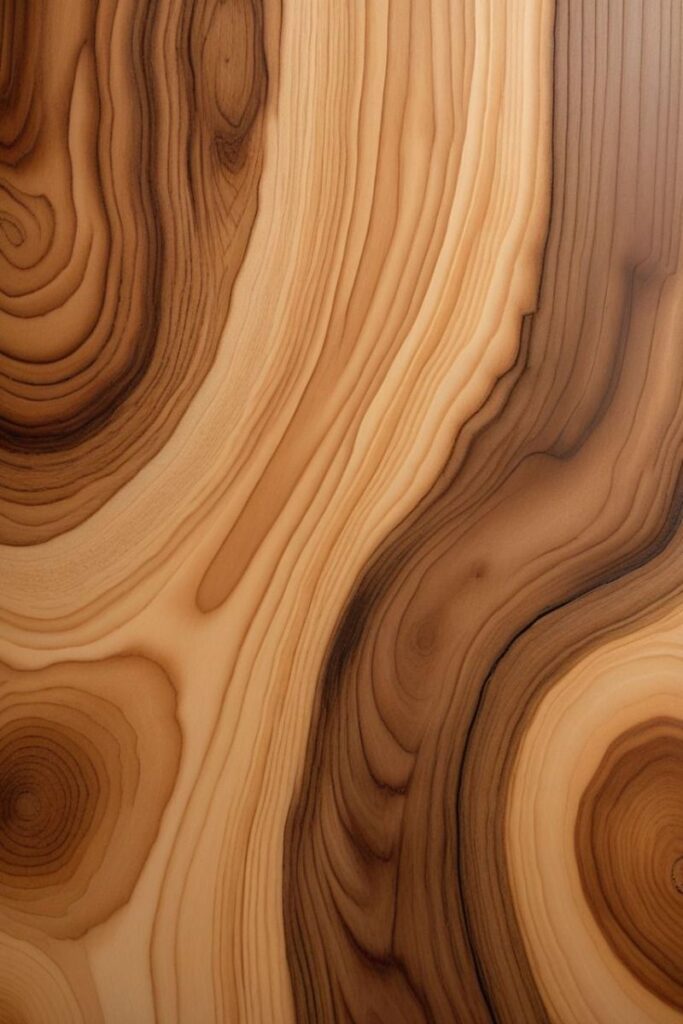
Why Homeowners Love Natural Wood
Natural wood stands out because no two pieces are ever the same. Each board has unique grain patterns, color variations and textures. It also ages beautifully and can be restored over time.
Pros of Natural Wood
1. Long-lasting strength
Natural wood has a strong internal structure that can last for decades.
2. Premium look and feel
The grain, tone and texture give furniture a warm, luxurious appearance.
3. Can be refinished
Marks or aging do not ruin it. You can sand it, stain it or polish it.
4. Holds value
Solid-wood doors, tables and cabinets elevate the value of a home.
Cons of Natural Wood
- Higher price
- Sensitive to moisture
- Can expand or contract without proper treatment
- Requires maintenance
What Are Engineered Boards?
Engineered boards include MFC, MDF, HDF and Plywood. They are created by bonding wood fibers or chips and finishing them with laminates, acrylics or veneers. High-quality engineered boards, especially European-certified MFC boards, are durable, stable and available in many finishes.
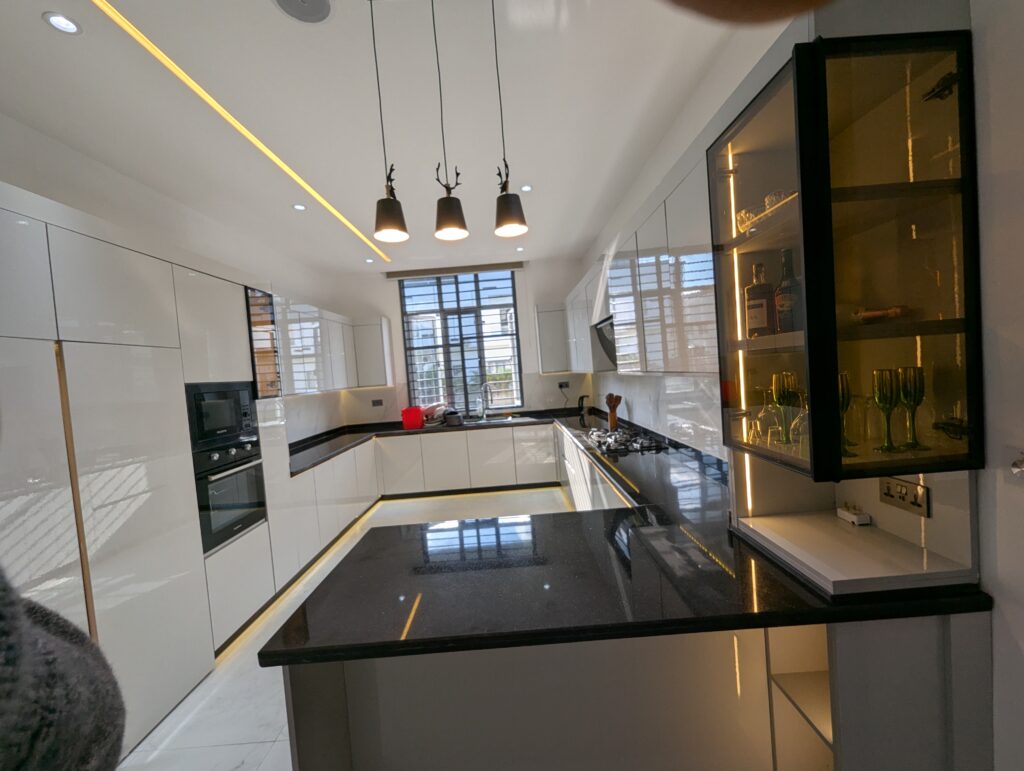
Types of Engineered Boards
- MFC
Great for wardrobes, kitchens and wall panels. - MDF
Smooth, easy to paint and perfect for routed designs. - HDF
Denser and stronger for high-contact areas. - Plywood
Layered sheets used for cabinets and shelves.
Pros of Engineered Boards
1. Affordable and versatile
Engineered boards give you more design options at a friendly price.
2. Huge range of finishes
Matte, gloss, acrylic, textured woodgrain, stone effects – all possible without breaking the bank.
3. Consistent look
No unpredictable grain patterns. Perfect for modern aesthetics.
4. Stable and less prone to warping
Especially European MFC boards that meet ISO + EN standards.
5. Eco-conscious
Engineered boards reduce timber waste and often come from sustainable sources.
Cons of Engineered Boards
- Cannot be sanded like solid wood
- Quality varies widely across brands
- Cheapest boards scratch and chip easily
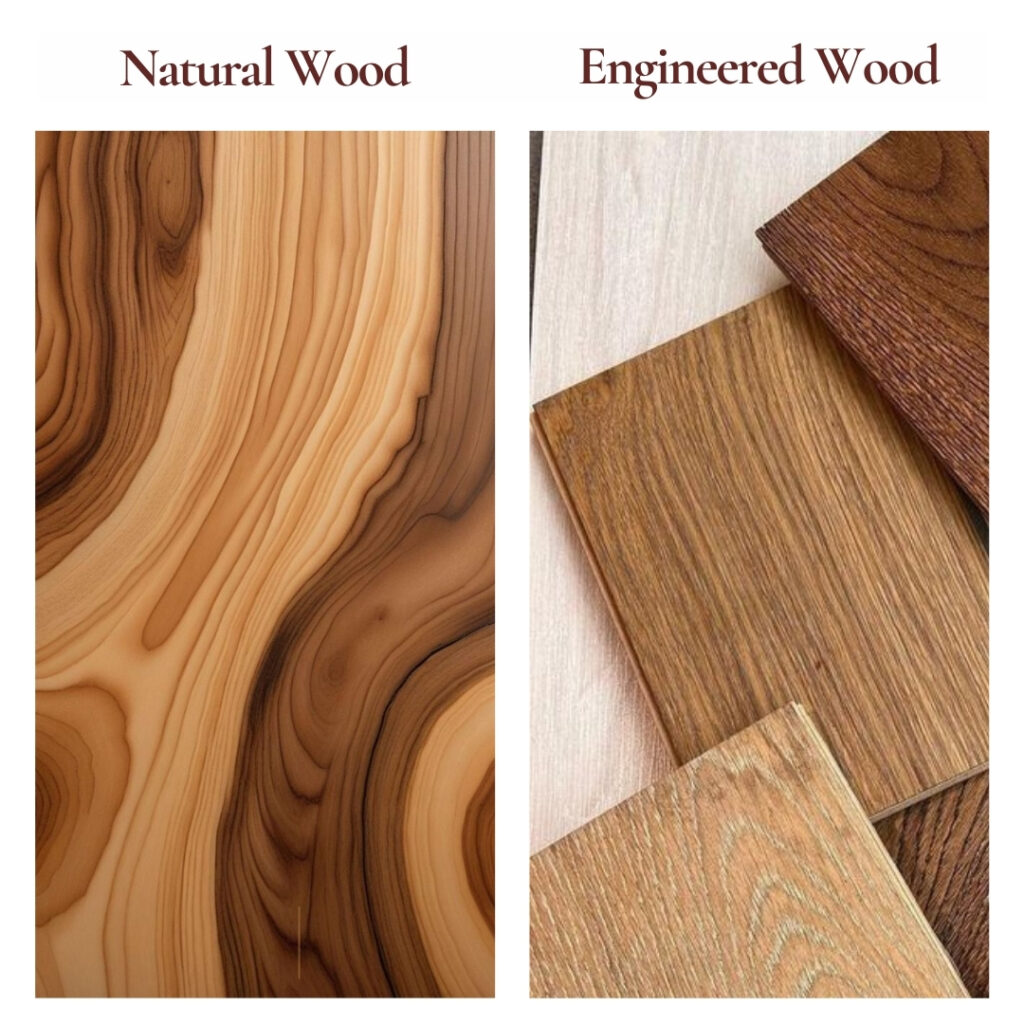
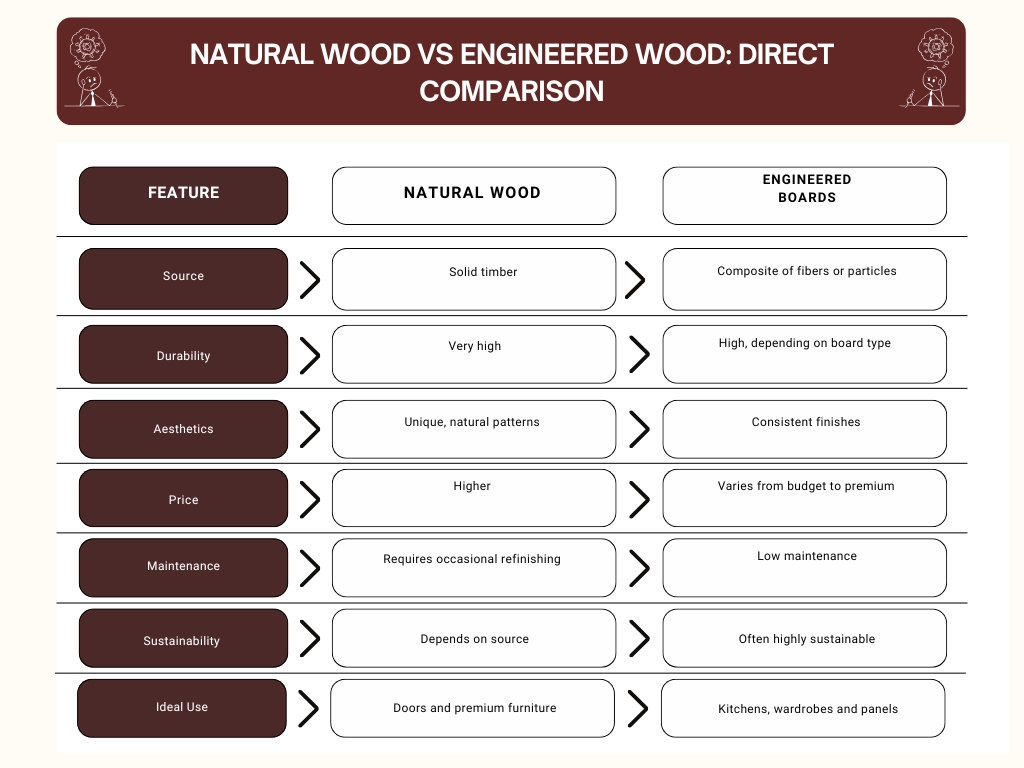
Which Should You Choose for Your Home?
Choose Natural Wood If:
- You want statement pieces
- You prefer a luxurious, natural look
- You want something that ages well
- You have a flexible budget
Choose Engineered Boards If:
- You want a modern, consistent finish
- You are building a wardrobe, kitchen, wooden floor
- You want more color and texture options
- Your budget is moderate and flexible
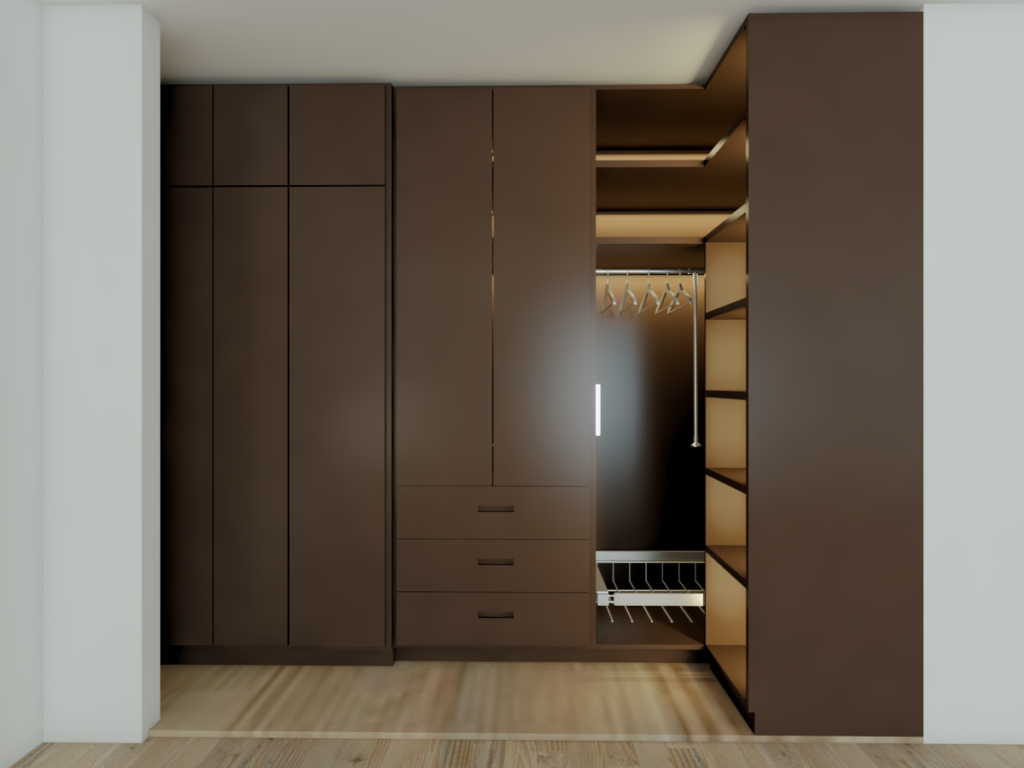
How Joanswood Creation Helps You Choose
Material selection is not random at Joanswood. The team considers:
- How the space is used
- Humidity levels
- Your preferred style
- Your budget
- Maintenance needs
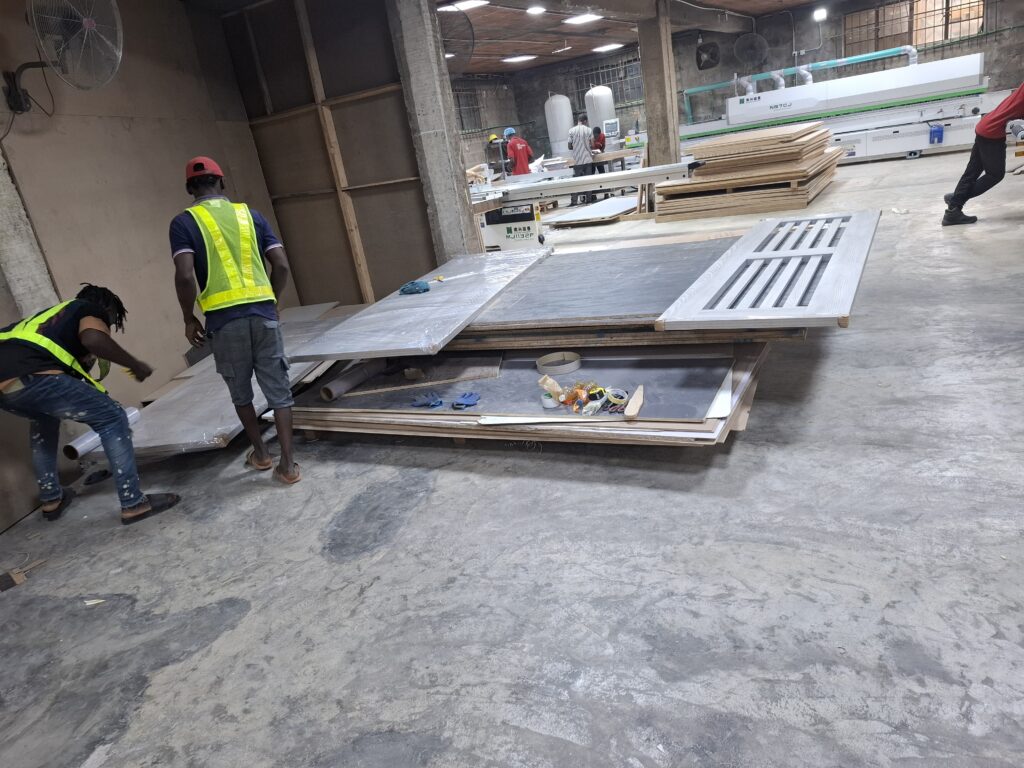
Natural wood is used for elegance and warmth. Engineered boards are used for clean lines, convenience, and modern finishes. The result is a balanced, long-lasting interior.
Final Verdict
There is no single winner. The best choice depends on your space and preferences.
Natural wood offers beauty and character. Engineered boards offer flexibility, consistency and Varieties. Many Joanswood Creation projects use a blend of both for the best results.
Ready to transform your space?
Whether you need a kitchen, wardrobe, office setup or full interior, the Joanswood Creation team will guide you through material selection and design.
👉 Book a free design consultation today or reach out to us via WhatsApp
FAQ
- Which is better for furniture: natural wood or engineered wood? Both are good for different reasons. Natural wood is stronger and long-lasting, while engineered wood offers consistency, varieties, and sustainability.
- Is engineered wood durable? Yes. High-quality engineered boards like MFC, MDF, and HDF (especially European-certified boards) are dense, stable, and long-lasting.
- What wood is best for kitchen cabinets? Engineered boards like MFC and Plywood are great for modern kitchens cabinets carcass because they’re stable, resistant, and available in many textures.
- What wood is best for luxury furniture? Solid wood such as teak, oak, and mahogany is ideal for luxury pieces. Also, the European ISO certified MFC and MDF are great choices
- MFC or HDF, Which is better? Before comparing these materials, it’s important to clear up a common misunderstanding:
- Local Context: In Nigeria, true HDF is not commonly available. Many people mistake laminated plywood for HDF, but they are completely different. MFC, MDF, and plywood are far more common in the market.
- Performance: Each material performs best depending on its intended use:
-
- Best for Moisture: HDF (High-Density Fibreboard) and Plywood offer better water resistance than MDF or MFC, making them more suitable for moisture-prone areas like bathroom and kitchen sink zones.
-
Best for Dry Spaces: For dry spaces such as bedrooms, closets, and living rooms, MFC or MDF works perfectly well.
-
- Expert Application: Experts can still use MDF and MFC in kitchen/bathroom areas, but only when the edges are properly sealed or lipped to prevent water from penetrating the board.
- Quality Note: These comparisons are based on European ISO-certified boards, which generally offer higher durability and performance than many low-grade options on the market.
2 Replies to “STOP GUESSING: Natural Wood vs. Engineered Boards—The Definitive Guide for Your Home Project”
Ramy
Bravo
Perfect explanation
Joan Mbogu
Thank you.