

The Ultimate Guide to Custom Furniture in Nigeria: What Every Homeowner Must Know Before Ordering
Master the art of space planning, climate-resistant materials, and smart budgeting for Nigerian homes.
Have you ever walked into a home and immediately felt that everything was exactly where it belonged? The space felt complete, cohesive, and remarkably calm. This experience rarely happens because a room is massive or filled with random, expensive decor. Instead, it is the result of deliberate space planning, proper material selection, and highly intentional design layout choices.
Many homeowners look at their own living rooms or kitchens and wonder why, despite buying beautiful standalone pieces, hanging elegant curtains, and adding stylish decor, the space still feels disconnected or unfinished. The surprising truth is that a mismatched room usually has nothing to do with your budget. Instead, it comes down to a handful of small design decisions that are very easy to miss. For example, pushing every piece of furniture flat against the walls actually makes a room feel more cramped and disconnected, not larger. Choosing a rug that is too small can quietly make an entire seating area look completely lost.
At Joanswood Creation, we see these exact scenarios every day. These tiny details influence how your brain experiences a home long before you consciously notice them. Whether you are a first-time homeowner in Lagos, a property developer planning a premium layout, or a family looking to maximize a compact apartment, understanding how to navigate the custom furniture process is the key to transforming your living space. This comprehensive guide breaks down everything you need to know about custom furniture Nigeria solutions, managing your budget, selecting climate-appropriate materials, and working effectively with an expert furniture maker Lagos team.
Why Value Trumps Upfront Price in the Custom Furniture Market
What makes custom furniture a better long-term investment than ready-made options?
Custom furniture is a superior long-term investment because it is built to fit your exact space and engineered with high-grade, climate-appropriate materials that mass-produced imports cannot match. While mass-produced or fast imports might look appealing on a showroom floor, cutting corners on materials almost always leads to early structural failure. In Nigeria, where high heat, intense humidity, and inconsistent indoor climate control can quickly damage inferior wood, custom pieces provide long-term durability and functionality. This translates directly into higher resale value for premium properties and significantly less maintenance over a lifetime of twenty years or more.
Many homeowners wonder if custom furniture solutions are truly worth the initial financial commitment. Our experience designing furniture for Nigerian homes shows that when you account for import duties, shipping delays, and the common risk of buying ready-made pieces that simply do not fit your room dimensions, bespoke furniture becomes highly comparable in price. Furthermore, a custom interior can completely separate average homes from premium properties in competitive real estate markets like Lagos.
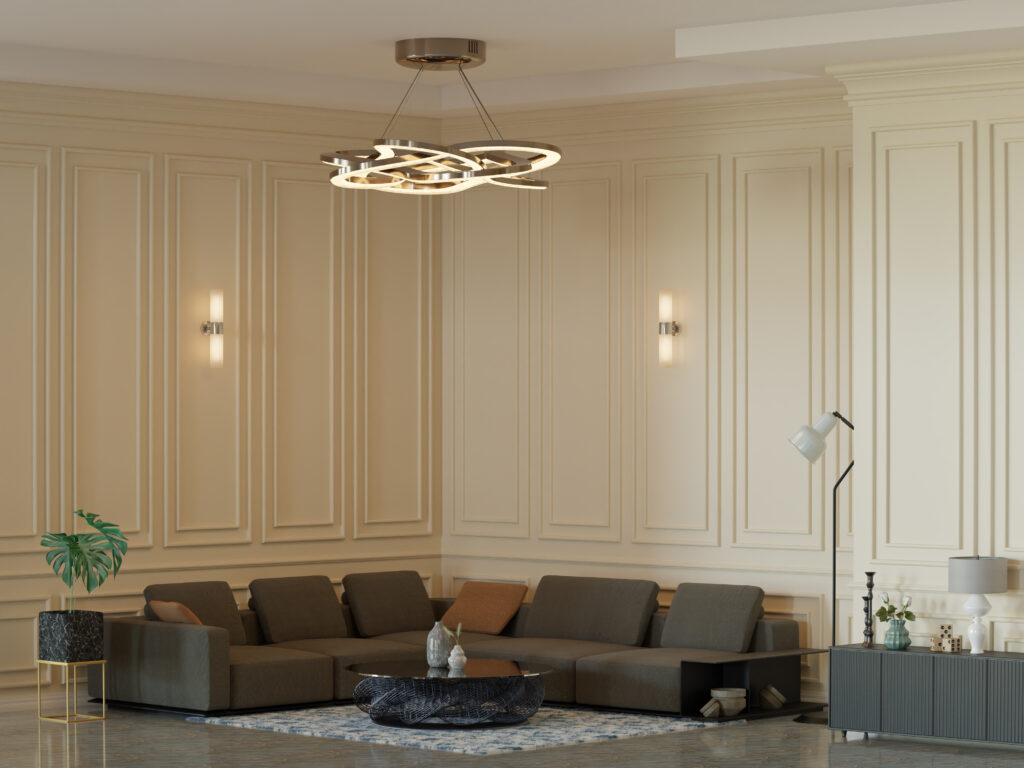
When you buy a mass-produced piece, you are paying for a generic item tailored for a different market entirely. When you invest in made-to-order furniture, you are investing in skilled labor, premium joinery, and a perfect fit. At Joanswood Creation, we emphasize to our clients that quality furniture should be bought based on value, not just the lowest price tag. The cheapest upfront option often becomes the most expensive when you have to repair or replace it after a short time.
Demystifying Custom Furniture Cost in Nigeria
How much does custom furniture cost in Nigeria?
Custom furniture costs in Nigeria vary widely based on the size of the project, material choices, hardware types, and design complexity, with basic small kitchens starting from ₦3.5 million and high-end luxury kitchens reaching up to ₦20 million or more. Because every piece is handcrafted to unique specifications, there is no single fixed price in the market. Every line-item cost is directly determined by the scope of your room, the specific wood or engineered board grade selected, and the performance level of the internal hardware.
- Size and Scope: Larger rooms requiring more cabinet carcasses or expansive surfaces naturally require more raw materials and extended workshop hours.
- Material Quality: Choosing premium, treated African hardwoods or international ISO-certified boards changes the foundational cost significantly compared to low-grade alternative options.
- Hardware Grades: Internal hardware plays a massive role in performance, for example, premium imported hardware, such as Blum hinges, can cost more than two times local standard hinges, but they are guaranteed to last a decade without sagging or rusting.
- Design Complexity: Simple, minimalist lines require less fabrication time than feature-rich designs, integrated smart-furniture elements, or irregular built-in configurations.
- Installation Logistics: Delivering and fitting a project via tall apartment lifts or handling complex site conditions requires extra handling care, which can influence installation charges.
Always ask your maker for a transparent, clear line-item quote that breaks down wood costs, hardware costs, and labor. This helps you see exactly where your money is going and allows you to compare quotes fairly across different suppliers. Be wary of a suspiciously low quote, as it often means the provider is substituting standard moisture-resistant materials for cheap chipboard that will fail within months.
Essential Materials for the Humid Nigerian Climate
Which wood and engineered materials perform best in the Nigerian climate?
The materials that perform best in the Nigerian climate are high-quality moisture-resistant boards, ISO-certified engineered materials, and durable treated African hardwoods like mahogany and iroko. Because Nigeria’s coastal regions experience intense heat and humidity, choosing materials that explicitly block moisture absorption is critical to prevent warping, swelling, and early structural breakdown.
Many homeowners we work with discover that understanding the difference between solid wood and engineered options helps them budget effectively without sacrificing durability:
Mahogany: This is widely considered the gold standard for humid regions because it is highly resistant to both humidity and termites, making it excellent for high-end indoor use.
Iroko (African Teak): A slightly cheaper but incredibly strong wood that performs exceptionally well in areas prone to moisture.
Rubberwood: A budget-friendly, sustainable plantation-grown option that delivers excellent durability if it is properly treated before fabrication.
The Nigerian market has widespread issues with cheap, low-grade chipboard and particle board that disintegrates when exposed to minor moisture. To combat this, you should explicitly question the use of engineered boards and demand high-performance alternatives:
- ISO-Certified MDF: High-density, certified medium-density fibreboard provides incredible stability for cabinet carcasses and wardrobe doors, resisting the common warping caused by inconsistent indoor temperatures.
- Melamine-Faced Boards: These offer excellent surface durability, provided they feature proper edge banding to completely seal out the humid air.
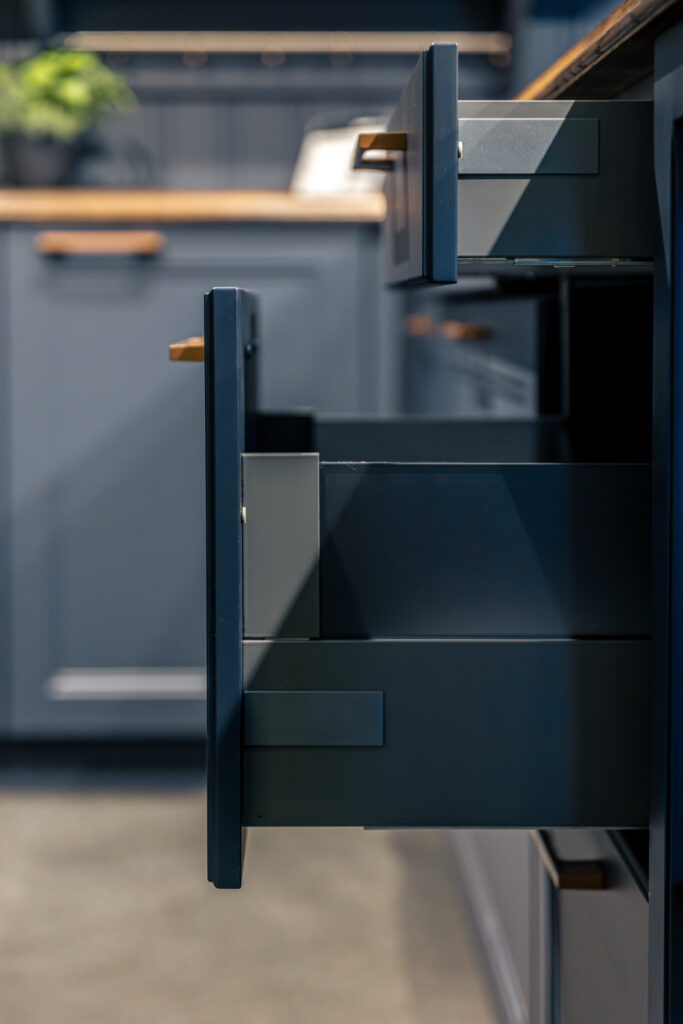
No matter which material you choose, the protective finish must be capable of surviving regular cleaning and ambient moisture. Acrylic finishes, high-gloss laminates with premium sealants, and well-sealed paints keep water out effectively. Avoid cheap surface paints that peel under high humidity, and always ask your furniture craftsman to explain exactly how their finish protects your investment.
Ordering Workflow and Timelines
What is the typical process and timeline for ordering bespoke furniture?
The typical custom furniture process involves a structured four-stage sequence consisting of design and planning, production, progress updates, and final delivery and installation, generally spanning a timeline of 1 to 2 weeks for design, 4 to 8 weeks for production, and 2 to 3 weeks for installation. This deliberate timeline ensures that every measurement is verified, materials are sourced correctly, and the installation is handled with professional precision.
Understanding the step-by-step workflow helps eliminate surprises and ensures a smooth collaboration with your custom provider:
This is where you bring your Pinterest photos, rough sketches, and lifestyle ideas to a furniture consultation. At Joanswood Creation, we provide design consultations and detailed 3D renders so you can visualize the exact layout before any wood is cut. You will finalize your dimensions, materials, and hardware choices during this phase.
Once you approve the final drawings and pay your initial deposit, fabrication begins in the workshop. Reliable makers emphasize over-communicating during this stage, providing regular updates as raw boards are transformed into custom wardrobes or kitchen units.
Professional surveyors will visit your property to map out the physical constraints. A critical mistake many homeowners make is remembering to measure where the piece will sit, but completely forgetting to measure the path the furniture needs to take on delivery day. You must double-check entryways, ceiling heights, hallway turns, and narrow stairwells early in the process.
Your finished pieces are transported and assembled on-site. Complex items like fitted kitchens or wall-to-wall wardrobes require expert fitting to align doors perfectly and adjust to uneven floors.
It is important to ask your builder about potential workshop bottlenecks upfront. Common culprits for delays include city power outages, material shortages for specialized imported boards, or shipping delays for premium hardware brands like Egger or Blum. To avoid stress, build a clear buffer timeline into your project, especially if you have a strict move-in date.
Layout and Space Planning: Small Apartments vs. Luxury Homes
How should custom furniture layouts differ between compact apartments and large luxury homes?
Custom furniture layouts should prioritize vertical storage and multi-functional spaces in compact apartments to maximize limited square footage, while luxury homes should focus on creating proportional conversation zones, integrated smart-furniture solutions, and large architectural statement pieces. Good space planning requires leaving a minimum of two to three feet of walking clearance around major furniture pieces like beds and sofas so the room feels effortless rather than cramped.
Our experience designing furniture for Nigerian homes highlights distinct strategic approaches based on the scale of the property:
Designing for Small Lagos Apartments
In compact urban flats, standard freestanding furniture often takes up too much valuable floor space, leaving awkward dead zones. Custom solutions excel here by integrating multiple functions into single footprints:
- Vertical Storage: Extending custom wardrobes all the way to ceiling height utilizes unused vertical space and keeps the floor clutter-free.
- Multi-Functional Pieces: Designing beds with integrated under-bed storage drawers, installing wall-mounted floating desks, or utilizing fold-away tables allows rooms to transform easily based on daily needs.
- Overhead Cabinetry: Installing overhead units in small kitchens or bedrooms keeps everyday surfaces clean without sacrificing necessary storage function.
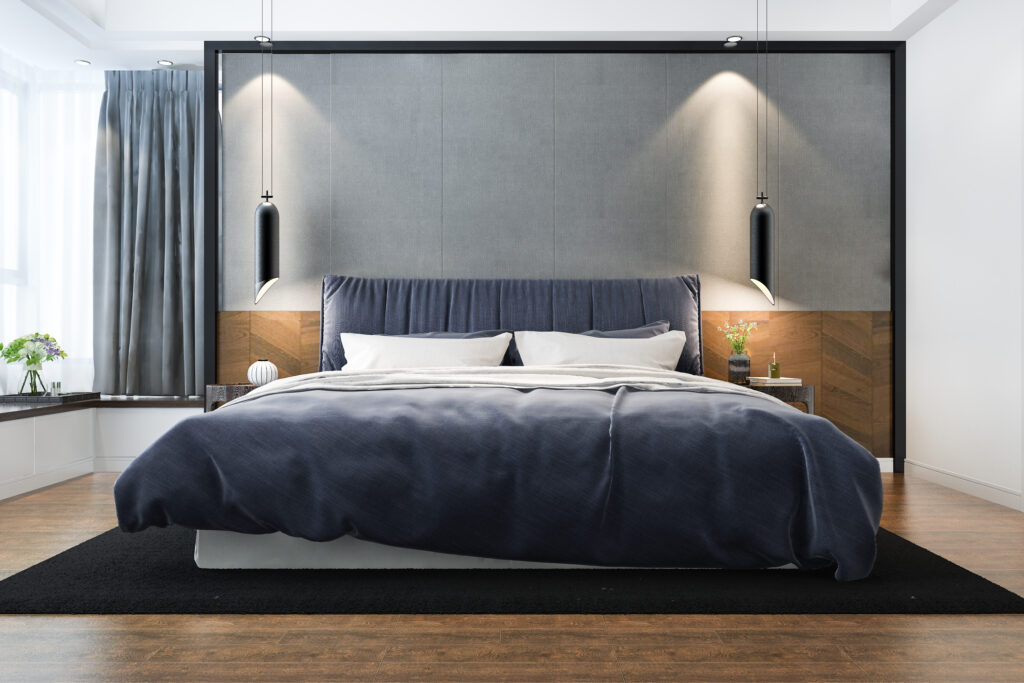
Designing for Large Luxury Properties
Larger homes present the opposite problem; rooms can quickly feel cold, disconnected, or unfinished if the furniture does not match the dramatic proportions of the architecture. Luxury spaces require a focus on scale and structural balance:
- Proportional Seating: Massive living areas demand custom conversation zones with larger, deep-set sofas pulled away from the perimeter of the room.
- Specialty Entertainment Zones: High-end homes benefit from custom-built media units, dedicated wine bars, or fully integrated smart-furniture options with automated compartments.
- Timeless Style Profiles: Rather than chasing passing online trends that quickly feel dated, luxury homes look best when anchored by classic furniture shapes, neutral color palettes like whites, beiges, and rich wood tones, and clean architectural lines.
The Ultimate Cost-Saving Hack: The Kitchen Tiling Secret
What is the most effective way to save money on kitchen cabinetry installations without sacrificing quality?
The most effective way to save money on a kitchen cabinet installation is to skip tiling the wall sections that will be completely covered by the cabinet carcasses, opting instead to tile only the visible areas like the backsplash and exposed walls. Many Nigerian homeowners mistakenly assume that every square inch of a kitchen must be tiled from floor to ceiling before the furniture maker arrives on-site.
When you look closely at how a custom kitchen is constructed, the sections of the wall directly behind your base and overhead cabinets are completely sealed from view once installation is complete. Tiling these hidden zones adds absolutely no functional protection or aesthetic value to your home. By instructing your site team to leave those specific areas plastered but untiled, you achieve immediate savings across multiple categories:
- The raw cost of premium wall tiles
- Tile adhesive and grout volumes
- Labor fees for the tiler
- Overall renovation time
At Joanswood Creation, we always encourage our clients to take these direct structural savings and reinvest them where they will make a massive, visible difference in daily living. Instead of burying money behind your cabinets, use those funds to upgrade to premium soft-close cabinet hardware, integrate smarter pull-out storage accessories, or select a more durable moisture-resistant board for your kitchen layout. This approach ensures your budget is spent intelligently on elements you can see and feel every single day.
Delivery, Professional Installation, and Scam Prevention
How can homeowners protect themselves from scams and ensure a professional furniture installation?
Homeowners can protect themselves from financial loss by working only with established suppliers who require an industry-standard deposit of 80 percent with a written contract, and by verifying that the maker uses an in-house installation team rather than outsourced contractors. Because trust concerns are understandably high in the local market, verifying a builder’s physical track record is the single best way to reduce buyer anxiety.
When you are preparing to hire a custom furniture maker, use these protective steps to ensure your funds and your home remain perfectly safe:
- Verify the Payment Structure: Standard commercial practice for premium made-to-order furniture involves an 80 percent deposit upfront to secure raw materials, with the final balance due strictly before successful completion and delivery. If an individual demands 100 percent of the payment upfront before any work begins, treat this as an immediate red flag and walk away.
- Demand Written Documentation: Ensure that your deposit is tied directly to a signed agreement detailing your exact specifications, material certifications, dimensions, and an explicit delivery timeline. Always make payments exclusively to official corporate bank accounts rather than private individuals outside official channels.
- Request a Workshop Visit: Reliable custom manufacturers will gladly welcome you to view their active workshop or showroom. Ask to see physical samples of their raw materials and view their portfolio of completed past projects.
- Confirm the Installation Team: Always ask the question: “Who will assemble my piece, your team or an outside contractor?” Fitted items like kitchens, custom wardrobes, and commercial office installations require highly specialized fitting to adjust for slight wall variations. Joanswood Creation utilizes a dedicated, in-house installation team to guarantee total accountability and precise alignment on-site.
Long-Term Maintenance for 20+ Years of Durability
What maintenance routine is required to keep custom furniture looking pristine for decades?
To keep custom furniture looking pristine for a lifespan of twenty years or more, you must implement a consistent care routine that includes weekly dusting, immediate moisture cleanup, periodic hardware adjustments, and total protection from direct sunlight. High-quality custom pieces are inherently robust, but maintaining their premium appearance in a humid environment requires a few proactive habits.
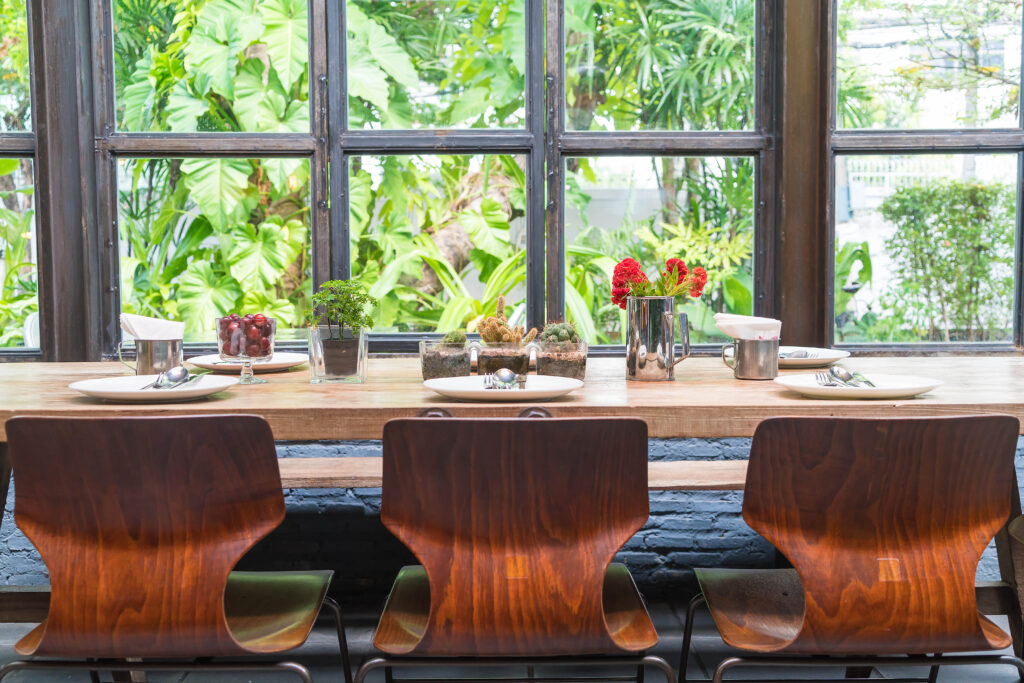
- Weekly Dusting and Annual Polishing: Dust your wood surfaces weekly with a clean, microfiber cloth to prevent debris accumulation. Apply a specialized wood oil or high-grade polish once a year to keep treated hardwoods fully nourished.
- Sunlight Protection: Position your statement furniture away from harsh, direct sunlight or use sheer curtains to filter the light. Prolonged UV exposure can cause rich wood stains and custom fabrics to fade unevenly.
- Surface Protection Habits: Always use protective coasters, placemats, or hot pads on custom tables to prevent permanent heat marks or unsightly water rings from damaging the delicate topcoat finish.
- Hardware and Structural Adjustments: Tighten internal screws, hinge plates, and door adjustments periodically. Over months of heavy daily use, cabinet hinges can experience minor shifts; keeping them tight prevents door misalignment and eliminates unnecessary stress on the wood frame.
- Fabric and Upholstery Care: Vacuum your custom sofas regularly to remove dust from fibers, and rotate cushions consistently to ensure even wear and preserve shape retention.
At Joanswood Creation, we believe the relationship with our clients does not simply end at delivery. We provide long-term care support to help you address minor touch-ups, tighten aging hinges, or re-apply protective finishes as the years go on, ensuring your home remains a sanctuary of functional luxury.
Ready to Transform Your Home?
Do not settle for generic, mass-produced furniture that fails to fit your room dimensions or warp under the intense Nigerian climate. Your home deserves pieces engineered specifically for your lifestyle, built with premium moisture-resistant materials, and finished to absolute perfection.
Whether you are planning a high-end kitchen renovation, maximizing a compact urban apartment with smart vertical wardrobes, or furnishing a luxury property from scratch, the master craftsmen at Joanswood Creation are ready to bring your vision to life. Let’s transition from your Pinterest mood boards to flawless 3D renders and precision on-site installation.
Joanswood Creation is based in Lagos and provides nationwide delivery services across Nigeria for our residential and corporate clients. For premium orders with a value exceeding ₦2 million, we provide completely free local delivery directly to your home or commercial site. All delivery logistics, including tracking and handling care, are coordinated explicitly by our logistics team based on the destination and total size of your order.
Yes, we explicitly welcome your personal design inspiration photos, sketches, and digital mood boards. Our furniture consultation process is built around your unique ideas. Our design team will analyze your saved images, assess their architectural feasibility for your specific room proportions, and provide expert guidance to ensure the final piece functions beautifully in your home.
To ensure a flawless structural fit, our technical surveyor team conducts comprehensive on-site measurements of your space before production begins. We map out room dimensions, note critical ceiling heights, check for wall level variations, and locate vital structural elements such as electrical points, plumbing lines, and appliance clearances. This detailed survey eliminates the risk of furniture failing to fit or blocking important access points.
Our design process actively prevents delivery day mismatches by measuring entryways, hallways, and stair turns during our initial site survey. In rare instances where unforeseen architectural restrictions block passage, our dedicated installation team executes carefully planned contingency solutions. Because we control production, we can safely re-route the layout path or temporarily modify specific components to ensure your furniture settles perfectly into place.
Yes, sustainability is an important consideration in our custom workshop. We prioritize utilizing sustainably-sourced local wood species like treated plantation rubberwood, iroko, and certified mahogany wherever possible. Sourcing regional timbers naturally reduces manufacturing material waste and lowers the transport footprint associated with international shipping.
Our workshop is fully equipped to manufacture an extensive range of premium bespoke items tailored for both residential and commercial projects. We design and install custom kitchens, fitted wardrobes, luxury bedroom sets, beds with built-in storage, executive office configurations, custom doors, statement living room furniture, and institutional setups for schools, hotels, or corporate environments.
Our 80 percent deposit policy is standard commercial practice for premium custom furniture manufacturing. Because your items are built-to-order and fully customized to your specific room sizes, colors, and material grades, these funds are immediately deployed to lock in high-quality raw materials, source imported Egger or Blum hardware, and pay our expert in-house craftsmen. The final remaining balance is due strictly before completion and installation.
Yes, we provide at least a 1-year structural warranty on our workmanship across all custom residential and commercial installations. This warranty covers production defects, structural joinery failures, and unexpected internal hardware malfunctions. Please note that our warranty policy does not cover standard daily wear-and-tear, surface damage from accidents, or material deterioration resulting from moisture neglect or lack of basic maintenance.
90–100 cm for main walkways and 60–75 cm for secondary paths.
It is often oversized for compact urban plots, blocking circulation and natural cross-ventilation.
Yes, by using floor-length mirrors, light dividers, and testing swatches in natural light.
It serves as the dedicated formal space for hospitality, allowing the private family lounge to remain separate and functional.