
A Home That Grows With You: How Furniture Supports Every Stage of Life.
Discover how thoughtful furniture choices create lasting comfort, adapt to life’s changing needs, and become part of your family’s story.
A home is far more than a simple shelter or a collection of physical walls. It is a dynamic, living reflection of who you are, how you live, and the family you build over time. Yet, many homeowners encounter a recurring frustration: furniture that quickly wears out, fails to fit new spaces, or no longer serves the evolving needs of a growing household. What works seamlessly for a young professional in a compact apartment often falls short when hosting extended family or managing the daily activity of young children.
At Joanswood Creation, we often see how thoughtful interior design and expert craftsmanship transform these residential challenges into opportunities for lifelong comfort. Understanding the deep connection between physical surroundings and human well-being enables you to make strategic furniture investments that grow alongside you. In this comprehensive guide, we explore the environmental psychology of home design, break down the spatial needs of every life stage, examine the unique requirements of Nigerian domestic living, and detail the material science behind durable, heirloom-quality furnishings.
Environmental Psychology and the Psychological Meaning of Home.
How does your physical living space shape your identity and personal well-being?
Your physical living environment serves as a fundamental conduit for identity construction, emotional stabilization, and social connection. The psychological relationship between individuals and their domestic spaces extends well beyond physical utility. When you select, position, and interact with objects in your home, you actively shape your internal psychological state and cultivate a meaningful sanctuary.
The Theoretical Framework of the Extended Self
In consumer behavior and environmental psychology research, human identity is not confined strictly to the physical body or mind. Instead, it incorporates material possessions that individuals psychologically own, curate, and control. Foundational extended self theory demonstrates that this psychological construct operates across four distinct hierarchical tiers:
The Individual Self
Personal clothing, intimate items, and individual artifacts.
The Family Self
Shared domestic furniture, common living areas, and the home environment.
The Group Self
Cultural symbols, shared heritage, and collective social ties.
The Community Self
Neighborhood attachment and local community identity.
Domestic furniture sits directly at the core of the family self. Valued material possessions serve as vital signs of identity that help cultivate personal meaning across time. They connect who you were in the past, who you are today, and who you aspire to become. Objects within your household do not merely reflect pre-existing psychological states; they function as active socializing elements and symbolic anchors within the home.
Through physical control, creative customization, intimate daily use, and habitual contact, furniture becomes incorporated into your personal psychological infrastructure. As a result, the involuntary loss or structural degradation of cherished domestic objects causes genuine self-diminishment and emotional stress, proving that individuals invest significant psychic energy into their immediate surroundings.
House as a Mirror of Self and Spatial Well-Being
Your physical home operates as a psychological mirror of your inner identity. Environmental psychology research highlights that spatial layouts, interior textures, and furniture arrangements externalize an occupant’s inner psyche, subconscious drives, and relationship dynamics. The practice of homemaking, defined as the intentional curation and arrangement of the domestic space, transforms an architectural structure into a meaningful home.
According to psychological meaning of home research, place attachment develops through sentimental, psychological interactions with space, yielding four core psychological dividends:
- Familiarity: Emotional predictability derived from stable, recognizable spatial cues.
- Security: Physical and emotional protection from external environmental stressors.
- Privacy: Autonomy over personal boundaries, retreat, and social exposure.
- Identity Affirmation: Continuous reinforcement of individual and collective family history.
Where homemaking practices are constrained or absent, individuals often experience chronic stress, a diminished sense of belonging, and spatial discomfort. Our experience designing furniture for Nigerian homes shows that incorporating custom furniture solutions allows homeowners to exercise true environmental mastery, establishing long-term emotional security and everyday well-being.
Life Stages and Evolving Spatial Demands.
How do your furniture needs change as you transition through different stages of life?
As individuals move through distinct life stages, their spatial requirements, functional needs, and psychological relationships with domestic objects evolve systematically. Recognizing this developmental continuum allows you to make strategic furniture investments that adapt effortlessly over time.
Life Stage Summary & Spatial Matrix
Core Spatial Challenges: Spatial constraints, frequent relocations, budget parameters.
Primary Psychological Needs: Autonomy, identity exploration, functional flexibility.
Strategic Furniture Solutions: Modular seating, lightweight solid-wood work desks, stackable storage systems.
Core Spatial Challenges: Style synthesis, spatial merging, dual-use demands.
Primary Psychological Needs: Co-created identity, shared comfort, baseline spatial stability.
Strategic Furniture Solutions: Scalable solid-wood dining sets, high-durability sectional sofas, custom master beds.
Core Spatial Challenges: High spatial density, safety risks, clutter accumulation.
Primary Psychological Needs: Physical safety, stress reduction, adaptable space allocation.
Strategic Furniture Solutions: Rounded corner profiles, stain-resistant upholstery, built-in storage credenzas, convertible beds.
Core Spatial Challenges: Privacy conflicts, study integration, digital connectivity.
Primary Psychological Needs: Spatial autonomy, identity negotiation, physical postural support.
Strategic Furniture Solutions: Ergonomic height-adjustable study desks, modular bedroom zoning, private accent seating.
Core Spatial Challenges: Excess unused space, spatial transitioning, property downsizing, reduced mobility, joint strain.
Primary Psychological Needs: Nostalgia preservation, spatial reorganization, emotional continuity, physical independence, safety.
Strategic Furniture Solutions: Reconfigurable modular living sets, curated display units, elevated seat-pan sofas, firm lumbar-support seating, clearance-conscious room planning.
Young Adults: Rental Dynamics and Compact Adaptability
For young adults navigating first apartments and rental properties, living spaces are often defined by geographic mobility and tight spatial constraints. Furniture choices in this early stage must reconcile strict budget parameters with the psychological desire for identity exploration. The reality of small-space living calls for versatile furniture for small spaces that avoids permanent structural alterations while maximizing practical utility.
Piece selections during this stage prioritize multi-functionality and ease of disassembly. Lightweight solid-wood work desks, modular shelving, and adaptable seating act as foundational anchors. Rather than purchasing low-grade disposable items that fall apart during moves, investing in versatile, high-quality accent pieces establishes a permanent identity baseline that survives multiple residential transitions.
Newly Married Couples: Merging Identities and Investment Baseline
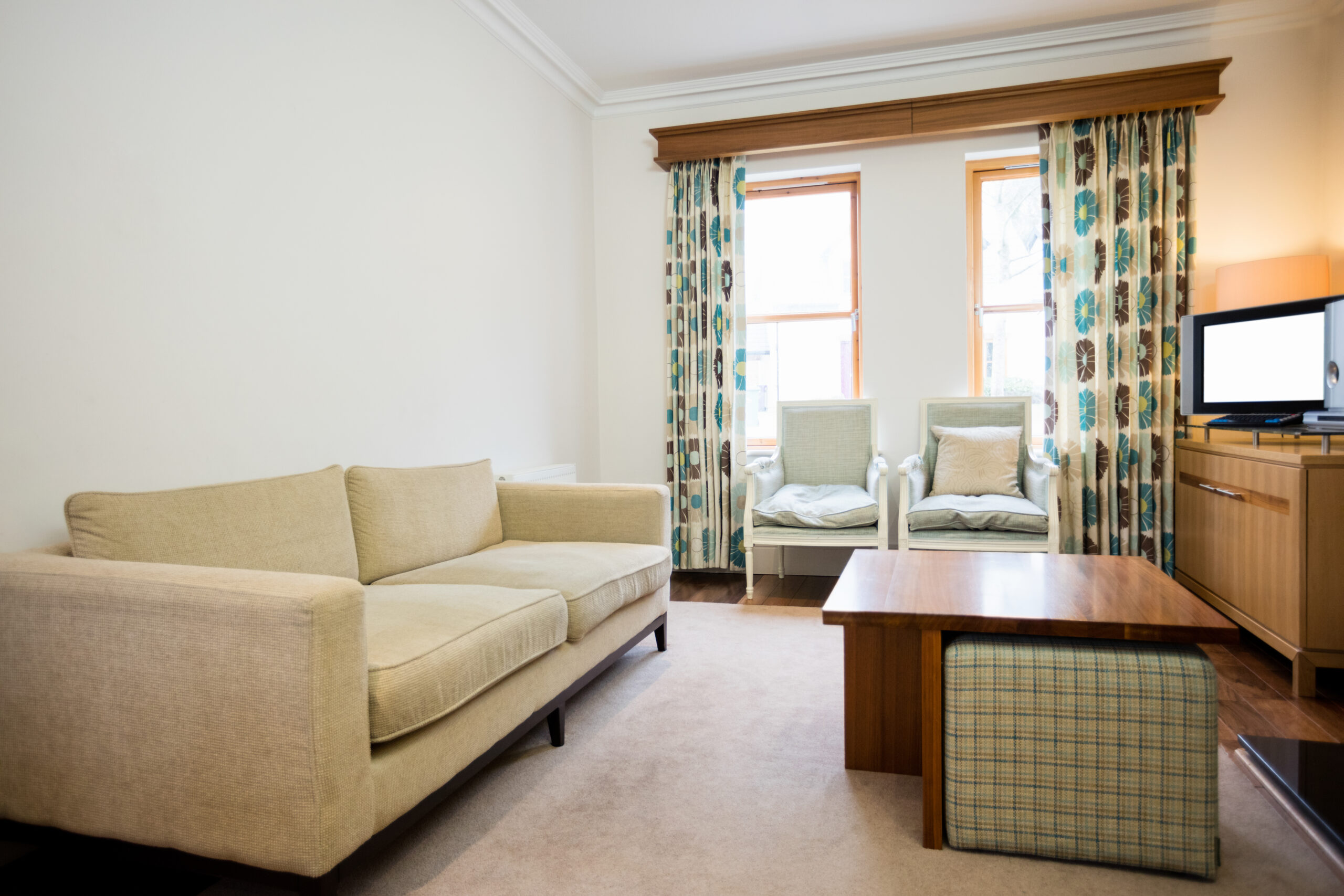
The transition to marriage or cohabitation requires blending two distinct sets of possessions and aesthetic preferences into a unified visual story. In this phase, shared household items help build the family self. The primary design task shifts from individual functional survival to co-creating a cohesive, harmonious home environment.
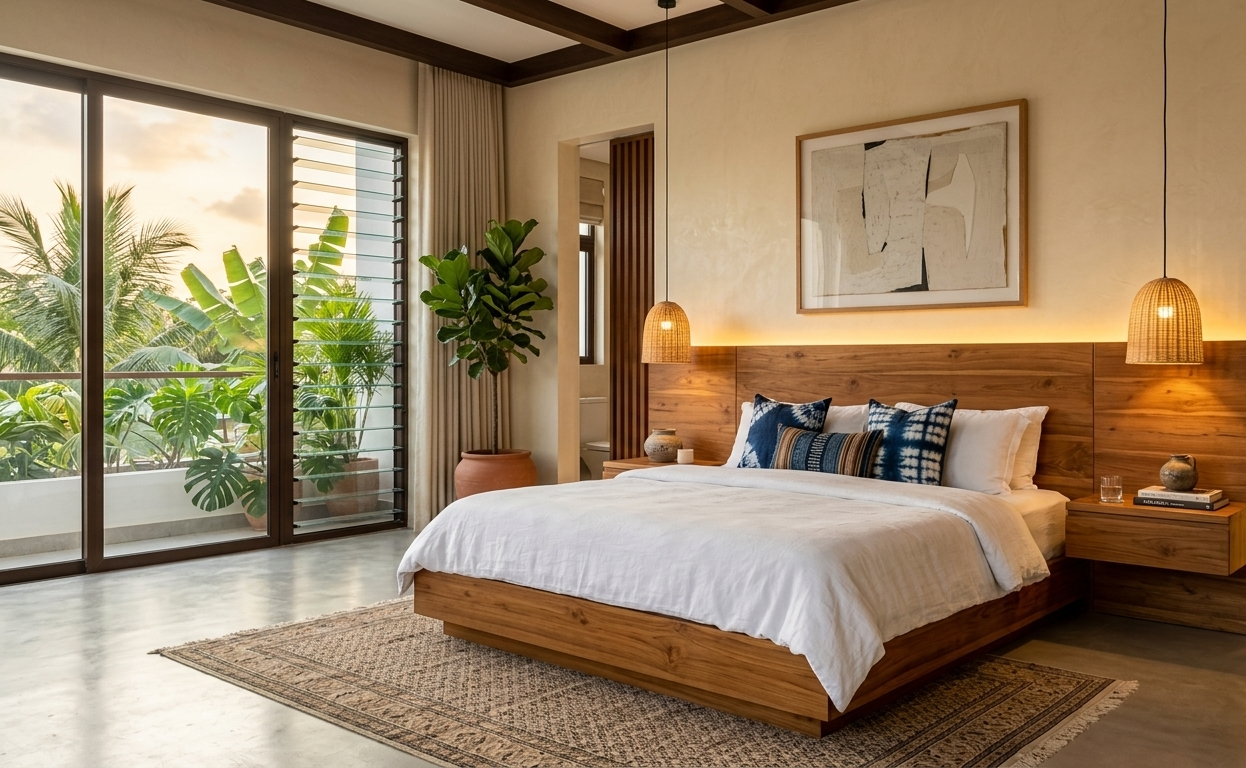
Newly married couples face their first major furniture investment decisions. Architectural ergonomics dictates prioritizing core anchor pieces rather than trying to furnish an entire residence at once with lower-tier goods. Investing in a high-durability living room sofa, a structural solid-wood bed frame, and a scalable dining set creates long-term commitments that ground the couple’s daily routines and social life. Many couples we work with choose custom master beds as their primary anchor piece to guarantee restorative sleep and physical comfort.
Growing Families: Ergonomics, Safety, and Dynamic Storage
The arrival of children brings intense physical and spatial demands to the domestic environment. High traffic, frequent spills, physical wear, and safety hazards require an immediate pivot toward child-friendly furniture for growing families and smart storage solutions. During this vibrant stage, family furniture must incorporate crucial safety and functional features:
Structural Stability: Engineered with low centers of gravity to eliminate tip-over risks.
- Softened Edges: Rounded corner radii on tables and cabinets to protect toddlers from sharp impact injuries.
- Non-Toxic Finishes: Organic, zero-VOC or low-VOC wood finishes free from hazardous formaldehyde off-gassing.
- High-Performance Fabrics: Stain-resistant, easily cleanable textile upholstery designed for heavy daily use.
Effective space planning relies on multi-purpose furniture that utilizes vertical volume. Storage credenzas, bench seating with hidden chest compartments, and modular wall units absorb child-related clutter. Multi-functional dining tables serve double duty as craft and homework stations, acting as the central hub of daily family life.
Teenagers: Autonomy, Privacy, and Ergonomic Workstations
As children mature into adolescence, spatial priorities shift toward personal privacy and individual autonomy. According to adolescent identity development studies, the teenage bedroom evolves from a play area into a semi-autonomous micro-dwelling that requires distinct zones for rest, study, and social relaxation.
Desk and chair setups should follow strict human-factors guidelines, including adjustable seat heights, proper lumbar support, and appropriate monitor clearance, to prevent early-onset musculoskeletal strain during long study sessions. Integrating ergonomic study desks with built-in cable management, integrated task lighting, and adaptable shelving allows teenagers to express their developing self-concept within their private quarters.
Empty Nesters and Retirement: Downsizing, Ergonomics, and Aging in Place
When adult children leave the family home, empty nesters transition into a phase of spatial contraction and lifestyle re-evaluation. Residences are often downsized to more manageable footprints, prompting a thoughtful curation of possessions. This process allows homeowners to retain items with deep emotional value, passing down cherished heirloom pieces to younger generations while refining their immediate surroundings for maximum comfort.
In retirement, furniture design aligns directly with universal accessibility and aging-in-place principles. Natural physiological changes require targeted ergonomic adjustments. For example, ideal seat height is calculated relative to lower leg dimensions:
Seat Height Adjustment=Lower Leg Length (Popliteal Height)
Key ergonomic modifications include elevating standard lounge seat heights from 400 mm to 450–480 mm to reduce hip strain when standing up, utilizing high-resilience foam to prevent sinkage, incorporating solid wood armrests that extend fully to the seat edge for leverage, and maintaining open walkway clearances of 900–1000 mm to ensure safe mobility throughout the home.
3. Socio-Cultural Realities of Nigerian Domestic Living.
How do unique Nigerian cultural dynamics and urban housing realities influence home furniture design?
The Nigerian residential environment is shaped by distinct demographic, structural, and cultural dynamics. Unlike Western nuclear household models, traditional and contemporary Nigerian living arrangements rely heavily on multi-generational co-living, extended family ties, and vibrant community hosting.
Household Structure, High Density, and Multi-Generational Co-Living
Major urban centers such as Lagos, Abuja, Port Harcourt, and regional hubs like Ado-Ekiti face notable urban density and housing availability pressures. According to Nigerian urban housing research, high construction costs prompt families to maximize internal living spaces.
Average urban household sizes in Nigeria frequently range from 5 to 7 occupants within compact apartment footprints or compound structures. As a result, living and dining areas must handle multi-modal demands. A single main living room regularly functions as a formal reception parlor, family lounge, children’s study zone, home office, and overnight guest space.
Hospitality Culture and Spatial Fluidity
Hospitality is a core cultural value across Nigerian society. Welcoming extended family members, community elders, religious groups, and unscheduled visitors is a cherished communal practice. The living room and dining room serve as the primary spaces for hosting and family gatherings.
This hospitality mandate shapes essential requirements for Nigerian home furnishings:
- High-Capacity Seating: Living room seating must comfortably accommodate larger groups without causing spatial gridlock. Flexible modular seating systems, deep-seated sofas, and movable ottoman stools provide ideal versatility for changing group sizes.
- Expansive Dining Infrastructure: The dining table serves as a focal point for shared meals and family discussions. High quality solid wood dining sets that expand to seat 8 to 12 people are highly valued.
- Heavy-Duty Construction: High daily use demands robust structural joinery, such as traditional mortise-and-tenon joints, capable of supporting heavy weight loads across decades of service.
Urbanization and Housing Footprint Dynamics in Nigerian Cities
Sub-Saharan Africa is experiencing rapid urban growth, with urban populations projected to reach 1.2 billion by 2050, as documented in regional Sub-Saharan housing market dynamics reports. In major Nigerian metropolitan cities, property developers frequently focus on compact 2-bedroom and 3-bedroom apartment layouts to optimize space.
A typical urban apartment footprint, often under 80 square meters for 2-to-3 bedroom units, must support high-density living without sacrificing spatial flow or visual dignity. Standard mass-produced imported furniture frequently fails in these settings, either overpowering the floor plan or breaking down under heavy daily use. This creates a clear demand for custom furniture tailored specifically to the precise dimensions of Nigerian apartments.
4. Architectural Ergonomics, Layout Principles, and Modular Design.
How does modular design optimize spatial flow and functional efficiency in modern homes?
Future-proofing your home requires physical adaptability. Modular furniture systems allow interior layouts to evolve naturally alongside changing family structures without needing complete replacement.
Modular and Multi-Functional Furniture Engineering
Sectional Flexibility
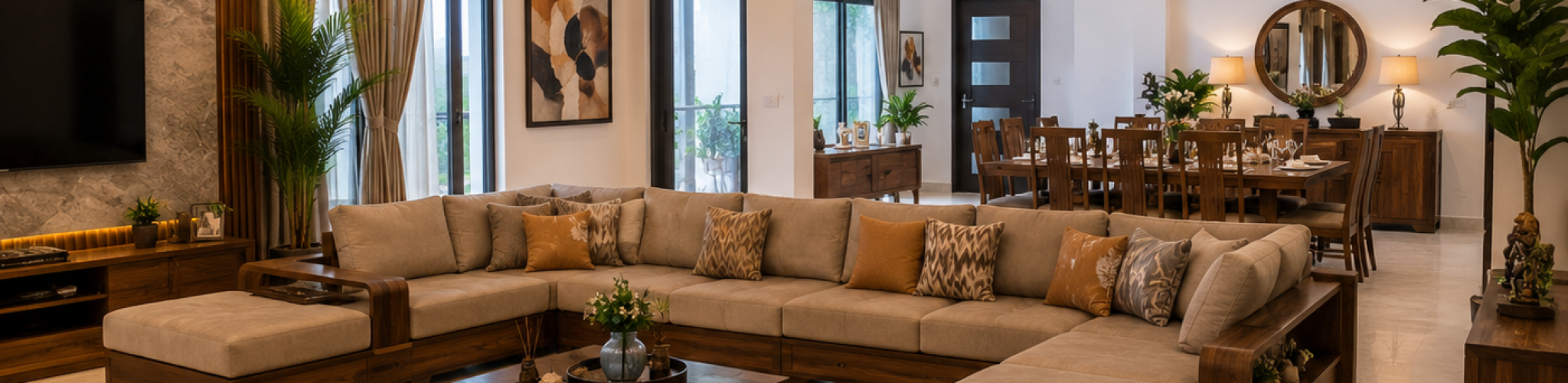
Living room sofas built from independent, interlocking modules can be easily reconfigured from a compact L-shape (ideal for everyday apartment living) into an open U-shape parlor layout for hosting gatherings.
Convertible Bedroom Systems
Solid hardwood infant cribs engineered to convert into toddler daybeds and eventually full double beds eliminate repeated replacement costs over a child's first 15 years.
Transformative Work Surfaces
Coffee tables equipped with lift-top mechanisms convert low leisure surfaces into comfortable dining or laptop work desks, incorporating hidden storage compartments below.
Expandable Dining Systems
Dining tables with integrated butterfly leaf mechanisms allow table lengths to expand smoothly from 1.6 meters for daily family meals to 2.4 or 3.0 meters for festive occasions.
Spatial Flow, Dimensional Standards, and Ergonomic Compliance
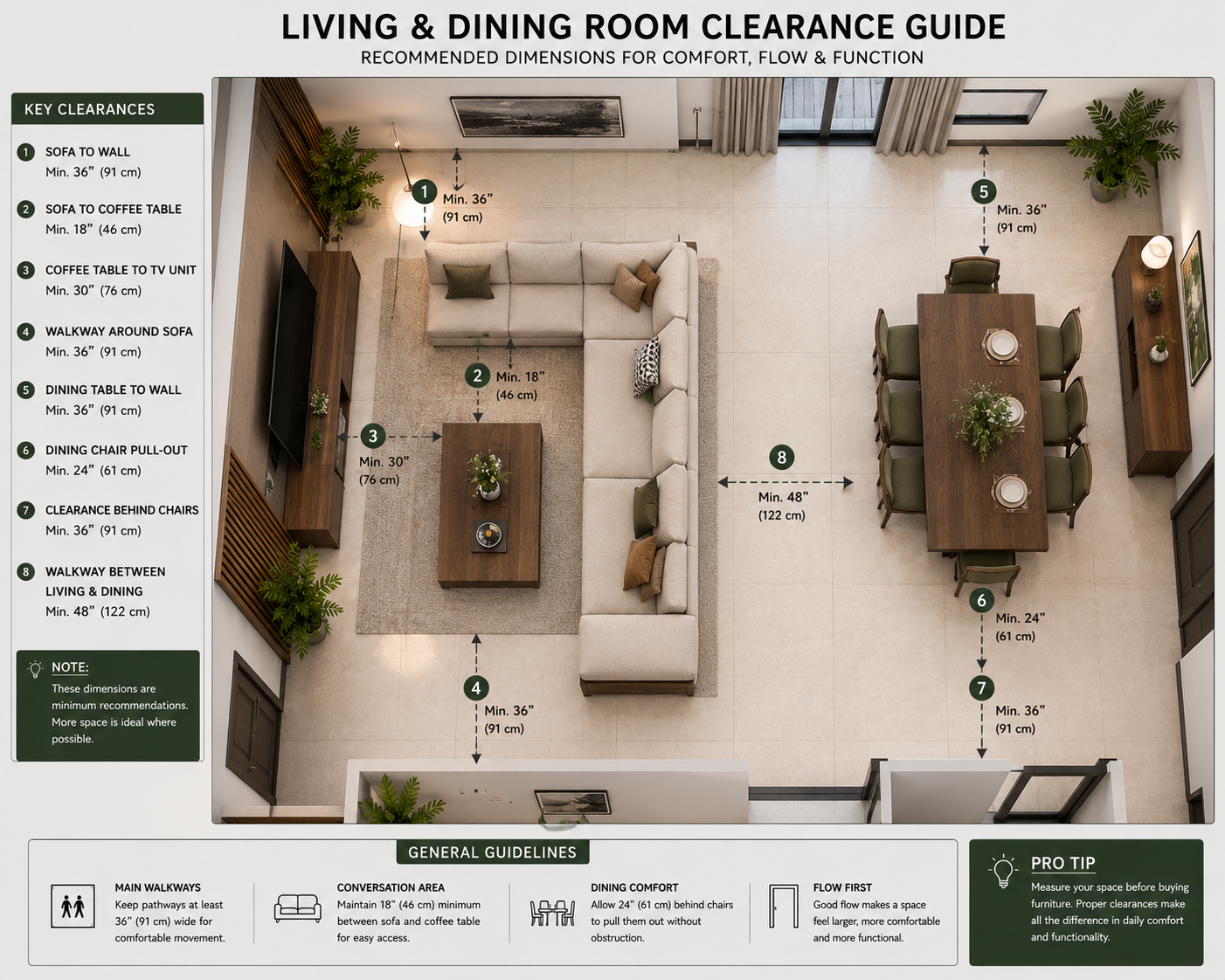
Proper furniture selection requires adhering to strict architectural spatial clearances. Insufficient clearance disrupts physical circulation and accelerates cosmetic wear caused by constant friction against adjacent structures. Adherence to ANSI/BIFMA standards ensures structural safety and posture support over extended daily use.
Spatial Clearance Checklist
- Primary Walkways: Minimum clear path width of 36–42 inches (91–107 cm) to accommodate two individuals passing simultaneously.
- Secondary Access: Minimum clear path width of 24–30 inches (61–76 cm) between major furniture pieces.
- Coffee Table Clearance: 14–18 inches (36–46 cm) between sofa edge and table edge for optimal legroom and access.
- Dining Chair Pull-Out: 32–36 inches (81–91 cm) from table edge to nearest wall or obstruction to allow egress while seated.
- Desk Knee Clearance: Minimum depth of 18 inches (46 cm) at knee level and 24 inches (61 cm) at foot level.
Custom ergonomic seating must adhere to ANSI/BIFMA X5.1 parameters, incorporating seat height adjustability (15–20 inches), lumbar support depth (fitted to the L1–L5 vertebral region), and waterfall seat front edges to mitigate popliteal pressure and prevent lower-limb circulatory fatigue.
Material Science, Tropical Durability, and Environmental Sustainability
Why are natural tropical hardwoods superior to mass-produced composite furniture in tropical climates?
The longevity of home furniture in West Africa depends directly on material selection. The regional climate, characterized by high humidity shifts, ambient heat, wet-dry seasonal cycles, and active biological pests like subterranean termites, rapidly degrades low-grade materials.
Tropical Wood Species Mechanics
Authentic tropical hardwood furniture utilizes indigenous and acclimatized hardwood species recognized for their natural durability, pest resistance, and mechanical strength.
| Wood Species | Janka Hardness Rating | Equilibrium Moisture Content (EMC) | Natural Insect Resistance | Optimal Application |
|---|---|---|---|---|
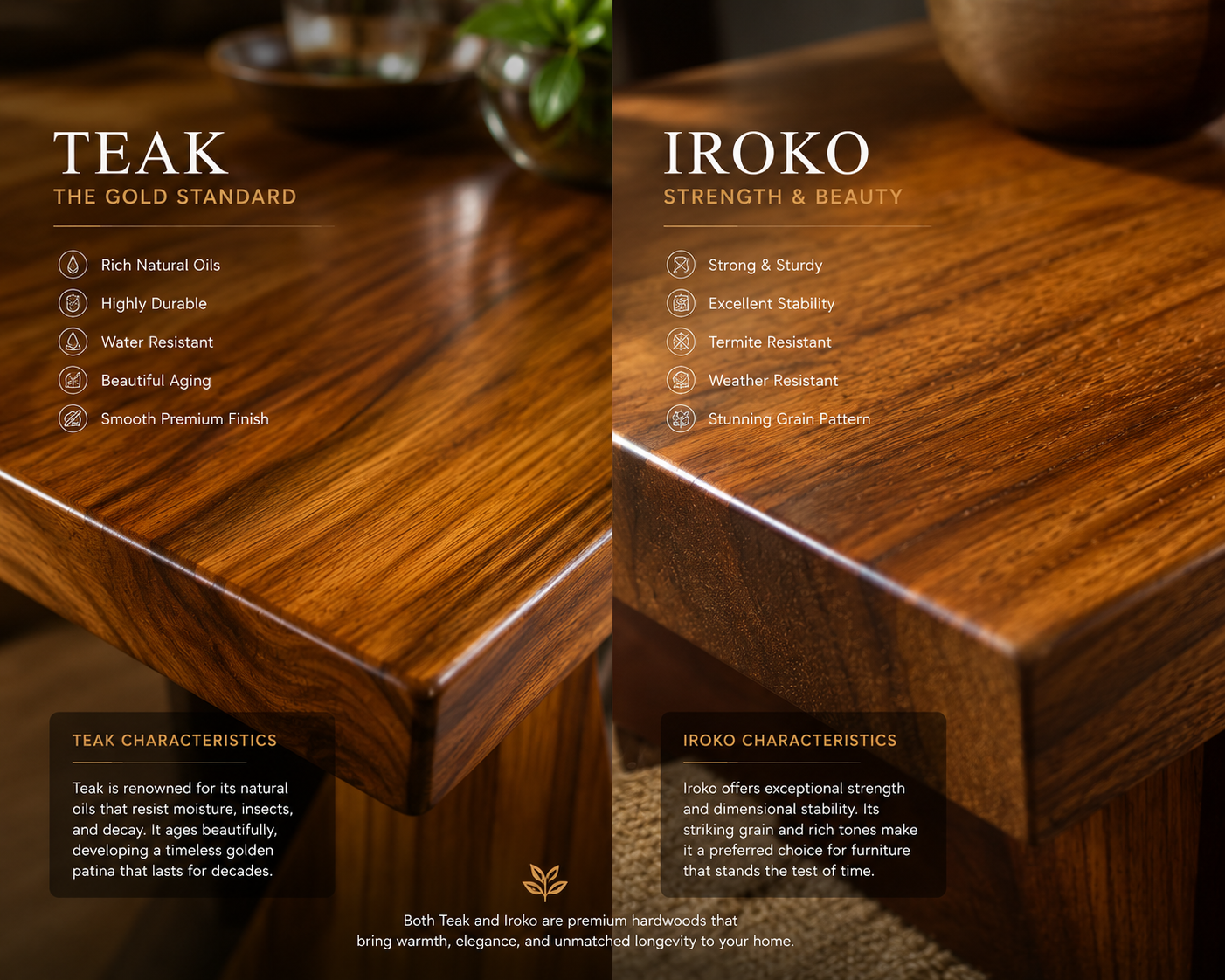
| Teak (Tectona grandis) | 1,070 lbf (4,760 N) | 8% – 10% (Highly Stable) | Exceptional (High Tectoquinones) | Outdoor & High-Moisture Joinery |
| Iroko (Milicia excelsa) | 1,260 lbf (5,610 N) | 9% – 11% (Stable) | Very High (Termite Resistant) | Structural Framing & Dining Surfaces |
| African Mahogany (Khaya ivorensis) | 1,070 lbf (4,760 N) | 10% – 12% (Moderate) | Moderate to High | Interior Cabinetry & Architectural Casegoods |
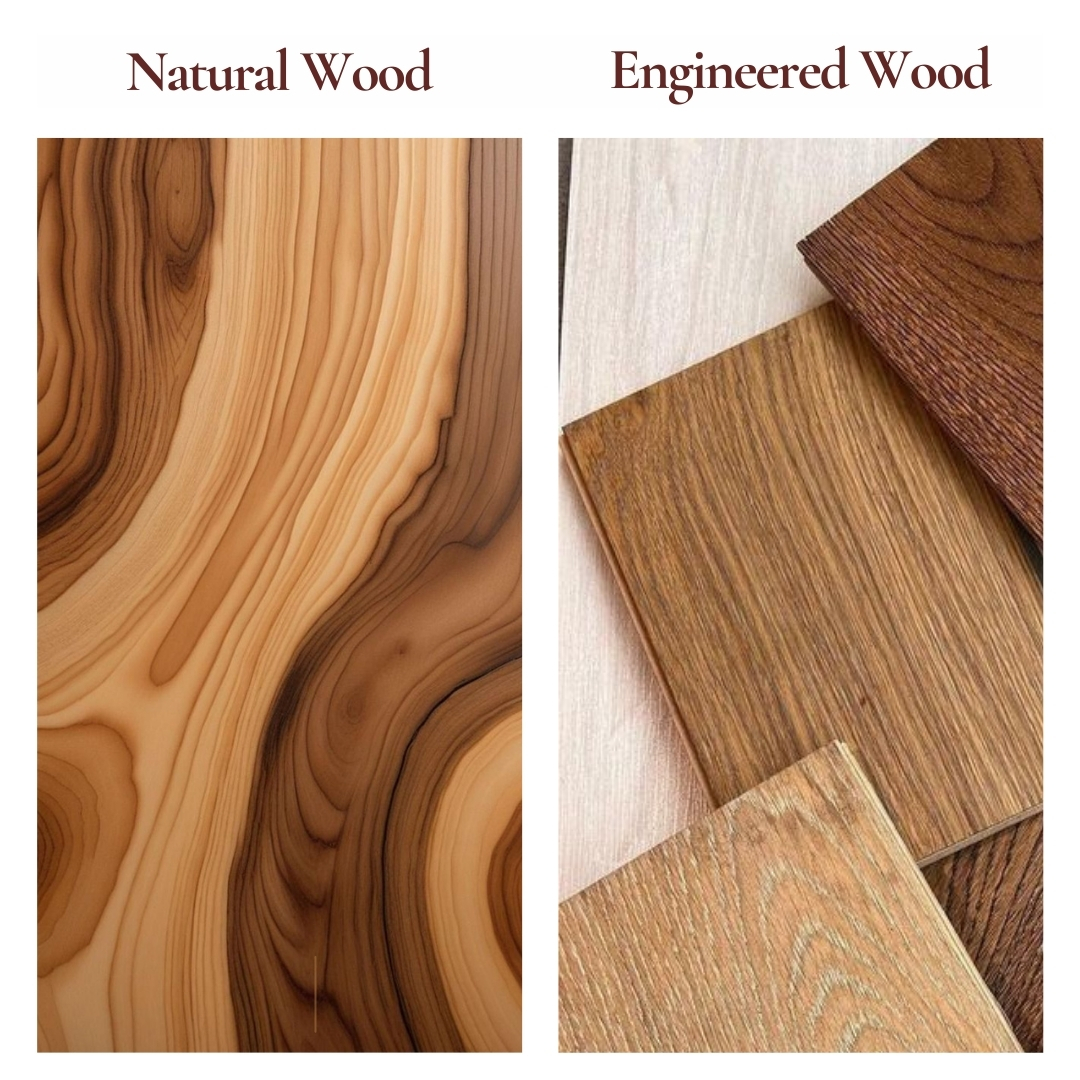
Grade A heartwood from species like Tectona grandis and Milicia excelsa contains dense micro-zones that are 30% to 40% denser than outer sapwood. According to tropical teak wood properties references, the natural oil content acts as a built-in moisture barrier, preventing warping, splitting, and decay across a multi-decadal lifespan.
The Environmental and Economic Pathology of Fast Furniture
Fast furniture models rely on particleboard (MDF), urea-formaldehyde binders, and thin paper laminates designed for rapid obsolescence. According to EPA estimates, over 12 million tons of furniture waste enter municipal landfills annually, with 80% comprised of non-recyclable composite boards. In tropical humid conditions, moisture penetrates paper laminates, causing internal swelling, off-gassing of volatile organic compounds (VOCs), and unrepairable structural failure within 18 to 36 months.
Material Performance Breakdown: Custom Solid Hardwood vs. Fast Furniture
Custom Solid Hardwood Furniture (Teak / Iroko)
Expected Lifespan: 50 to 100+ Years (Multi-Generational)
Moisture Resistance: High (Kiln-Dried Hardwood + Polyurethane/Oil Finish)
Pest Resistance: Natural Termite/Borer Defense (Heartwood Extractives)
Repairability: 100% Repairable (Sandable, Refinishable, Re-gluable)
Indoor Air Quality: Zero VOCs / No Formaldehyde Off-gassing
15-Year True Cost: Low (Single initial investment, zero replacement cycles)
Mass-Produced Composite (Fast Furniture)
Expected Lifespan: 2 to 5 Years (Disposable Cycle)
Moisture Resistance: Low (Paper Laminate De-laminates, Particleboard Swells)
Pest Resistance: Vulnerable to Termite & Fungal Attack
Repairability: Near Zero (Stripped screw holes and swollen core cannot be sanded)
Indoor Air Quality: High Formaldehyde Off-gassing (Urea-Resin Binders)
15-Year True Cost: High (4–6 complete replacement cycles + inflation)
Strategic Consumer Decision Frameworks
Acquiring future-proof custom furniture requires a phased investment methodology. Rather than furnishing an entire residential property using lower-tier materials simultaneously, homeowners should prioritize high-touch, high-stress architectural elements.
Priority Acquisition Roadmap Across Life Stages
- First Priority: Primary Bed Frame and Ergonomic Sleep System Physical recovery, spine health, and overall well-being depend on quality mattress support and a sturdy, squeak-free hardwood bed frame. A solid wood bed frame easily withstands home moves and serves as a lasting sanctuary anchor.
- Second Priority: Living Room Anchor Sofa The main living room sofa serves as the central node for family relaxation, leisure, and hosting guests. Selecting a hardwood-framed sectional with high-resilience foam creates a comfortable, welcoming heart for the home.
- Third Priority: Solid Wood Dining Room Suite The dining table is the multi-generational hub for shared family meals, homework, conversations, and social gatherings. A well-crafted Iroko or Teak dining table withstands decades of daily use, gracefully turning into a cherished family asset.
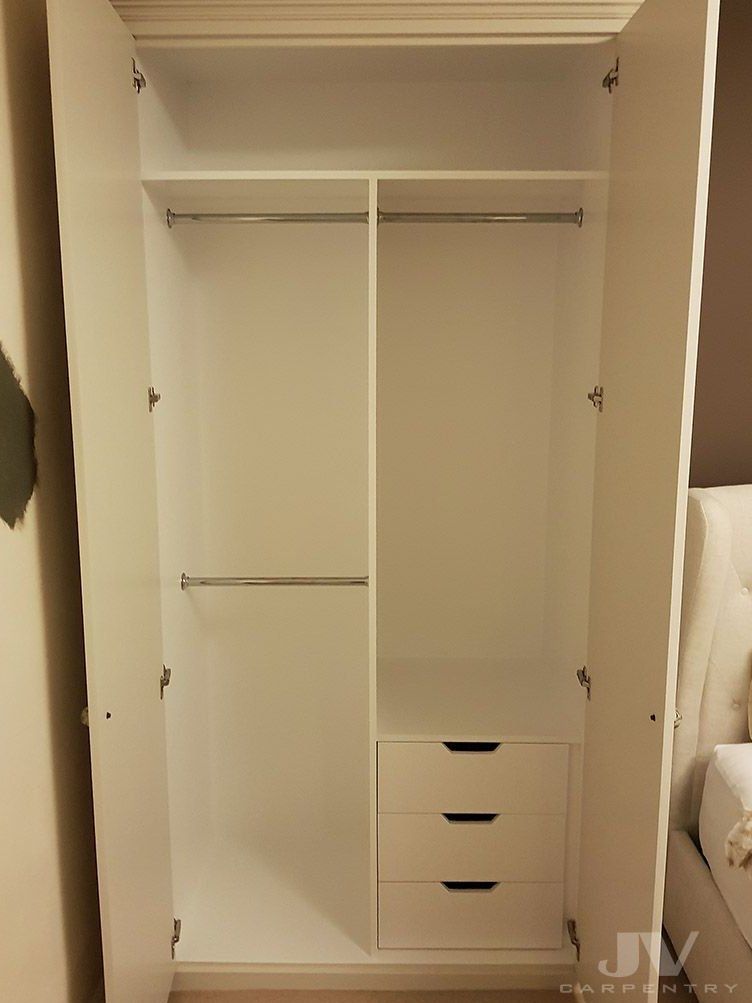
- Fourth Priority: Modular Storage Credenzas and Home Office Workstations As career and family activities expand, effective clutter management and practical remote work setups become essential for maintaining a calm, organized environment. High-capacity credenzas, custom built-in wardrobes, and ergonomic desks keep common living areas tidy and operational.
Strategic Recommendations for Homeowners and Designers
Designing a home that adapts to every stage of life requires balancing emotional meaning, functional layout, and material quality. Rather than viewing furniture as short-term decoration, treating your furnishings as long-term investments enhances daily comfort, supports family well-being, and creates lasting value.
In the context of Nigerian domestic life, with multi-generational households, vibrant hosting traditions, and humid climate conditions, mass-produced fast furniture quickly reveals its structural limits. Particleboard items frequently fail under moisture and heavy use, causing unnecessary replacement costs and waste.
Choosing custom solid hardwood furniture crafted from natural tropical timbers like Teak and Iroko combines elegant design, long-term durability, and sustainable craftsmanship. Modular systems allow your home to adapt smoothly through every transition, from early adult apartments to busy family years and restful retirement.
Key Action Steps for Homeowners
- Conduct a Spatial Audit: Map circulation pathways and ensure compliance with 36-inch primary clearances before selecting furniture dimensions.
- Specify Climate-Resistant Timber: Require kiln-dried tropical hardwoods (Teak, Iroko, Mahogany) with 8–10% initial EMC for humid microclimates.
- Prioritize Modular Solutions: Invest in reconfigurable sectionals and extension dining systems to accommodate future spatial changes.
- Evaluate TCO Over Initial Price: Calculate 15-year lifecycle costs to avoid the compounding financial and environmental debt of fast furniture.
- Partner with Custom Craftsmanship: Collaborate with specialized fabricators who utilize traditional joinery and low-VOC finishes.
Ready to Invest in Furniture Built to Last a Lifetime?
Don’t settle for temporary flat-pack furniture that warps, bows, and peels under seasonal climate shifts. Whether you’re furnishing a private residence, executive office, or commercial development, Joanswood Creation combines advanced materials science, precision joinery, and 3D space audits to deliver custom solutions tailored to your space.
Frequently Asked Questions
Custom modular furniture consists of standardized, reconfigurable components engineered to adapt to changing floor plans. It optimizes compact spaces by serving multiple functions—such as sectional sofas with integrated storage or extendable dining tables—eliminating visual clutter while maximizing spatial efficiency.
Tropical hardwoods such as Teak (Tectona grandis), Iroko (Milicia excelsa), and African Mahogany (Khaya ivorensis) are ideal for humid environments. Their high natural oil content and low Equilibrium Moisture Content (EMC) provide exceptional resistance to warping, fungal decay, and insect damage.
Custom furniture prevents obsolescence through timeless aesthetic proportions, durable material choices, and structural adaptability. By avoiding transient fast-fashion design trends and focusing on clean architectural lines, these pieces remain relevant across evolving interior styles.
Yes. Custom furniture utilizes sustainably harvested, solid timber and non-toxic, low-VOC finishes. Unlike fast furniture made from composite boards that degrade rapidly and contribute to landfill waste, custom pieces are built to last for decades and can be sanded, refinished, and repaired.
Primary circulation pathways require 36 to 42 inches (91–107 cm) of clear space, secondary pathways require 24 to 30 inches (61–76 cm), and the space between a sofa and a coffee table should be maintained at 14 to 18 inches (36–46 cm) for optimal comfort and accessibility.
Total cost of ownership is calculated by adding the initial purchase price to replacement and maintenance costs over time: TCO=Initial Outlay+∑(Replacement+Maintenance). Fast furniture requires 3 to 5 replacement cycles over 15 years, resulting in a higher long-term cost than a single investment in custom solid wood craftsmanship.
Workstations should meet ANSI/BIFMA X5.1 parameters: seat height adjustable between 15 and 20 inches, lumbar support aligned with the L1–L5 spinal region, a waterfall front edge on seating, and a minimum desk knee clearance depth of 18 inches (46 cm).